----bakky--bksd-015---15.avifilmmusikpenismust Direct

Build confidence, precision, and consistency — with the most advanced practice app for musicians. The app trusted by Broadway musicians, Juilliard students, and teachers worldwide.

Trusted by 1M+ musicians worldwide
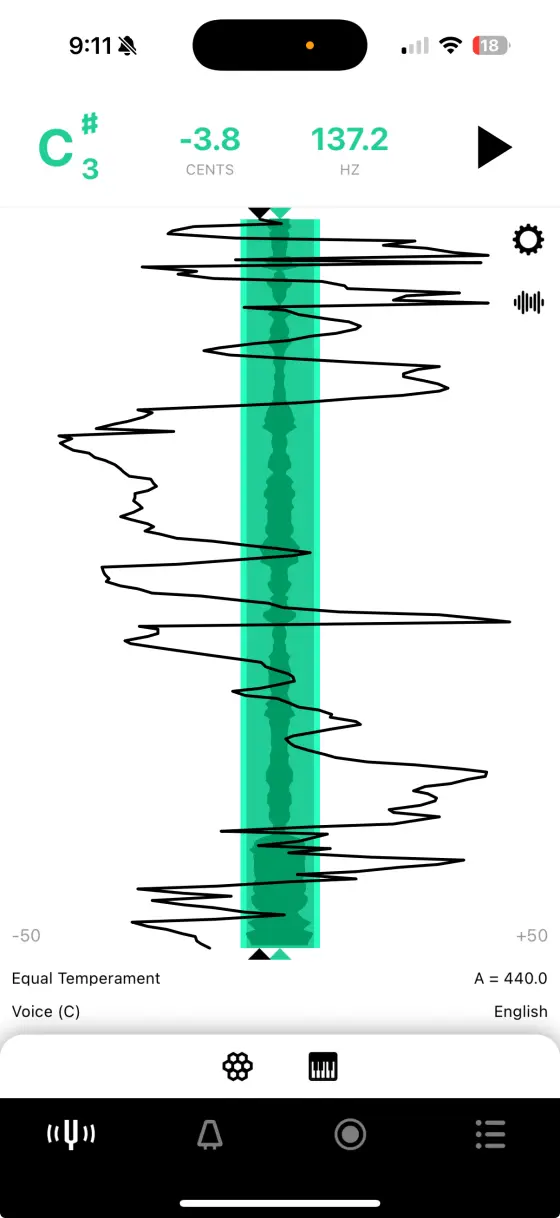
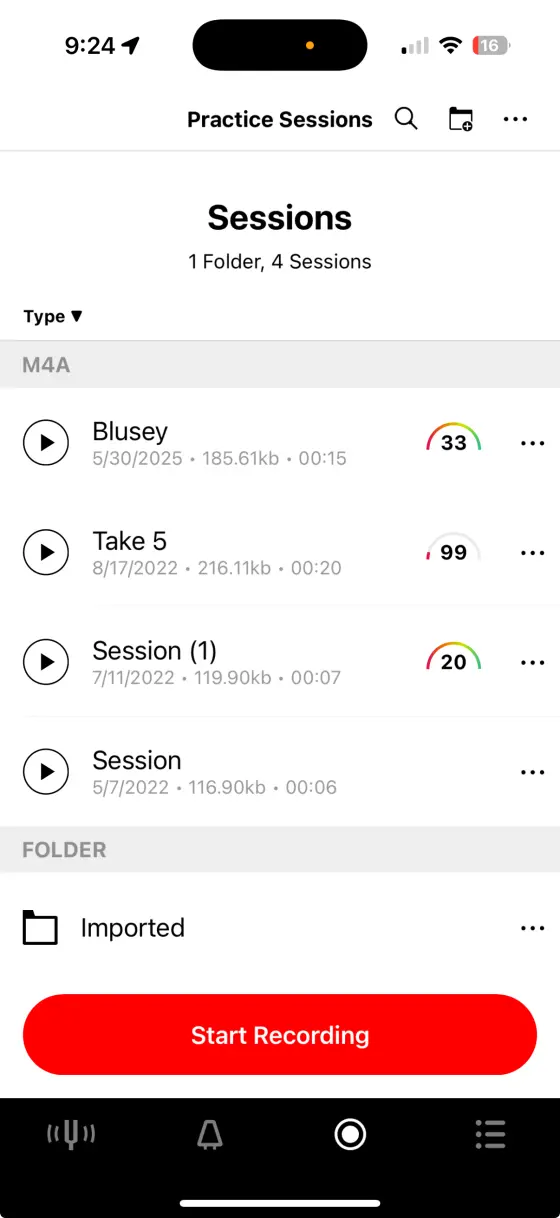
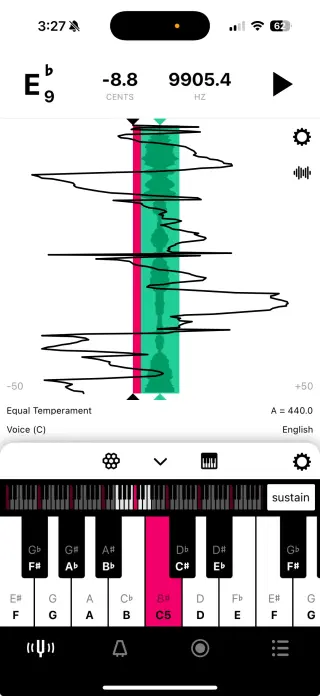
Tunable chromatic tuner showing real-time pitch detection and Sustained Pitch History

Trusted by millions worldwide

The best tuner, metronome, and recorder on iOS and a pitch-perfect bargain for any musician.
MacLife • Technology Review

Trusted by

Tunable is used by students and faculty at the Juilliard School, Berklee College of Music, Broadway productions, and Music Teachers Association members worldwide.

World map showing Tunable users across six continents
For Every Musician

From classroom to concert hall

Tunable grows with you. Start as a beginner, develop your skills, and join the ranks of professionals who rely on Tunable every day.

🎓

Students & Beginners

Build confidence with practice feedback and clear visual cues

🎭

Professional Musicians

Broadway musicians and Juilliard students trust Tunable for precision

👨‍🏫

Music Teachers

Share recordings and track student progress with detailed analytics

Young student taking first steps in music with Tunable practice app

First Steps

"Perfect for building confidence in young musicians"

Beginner
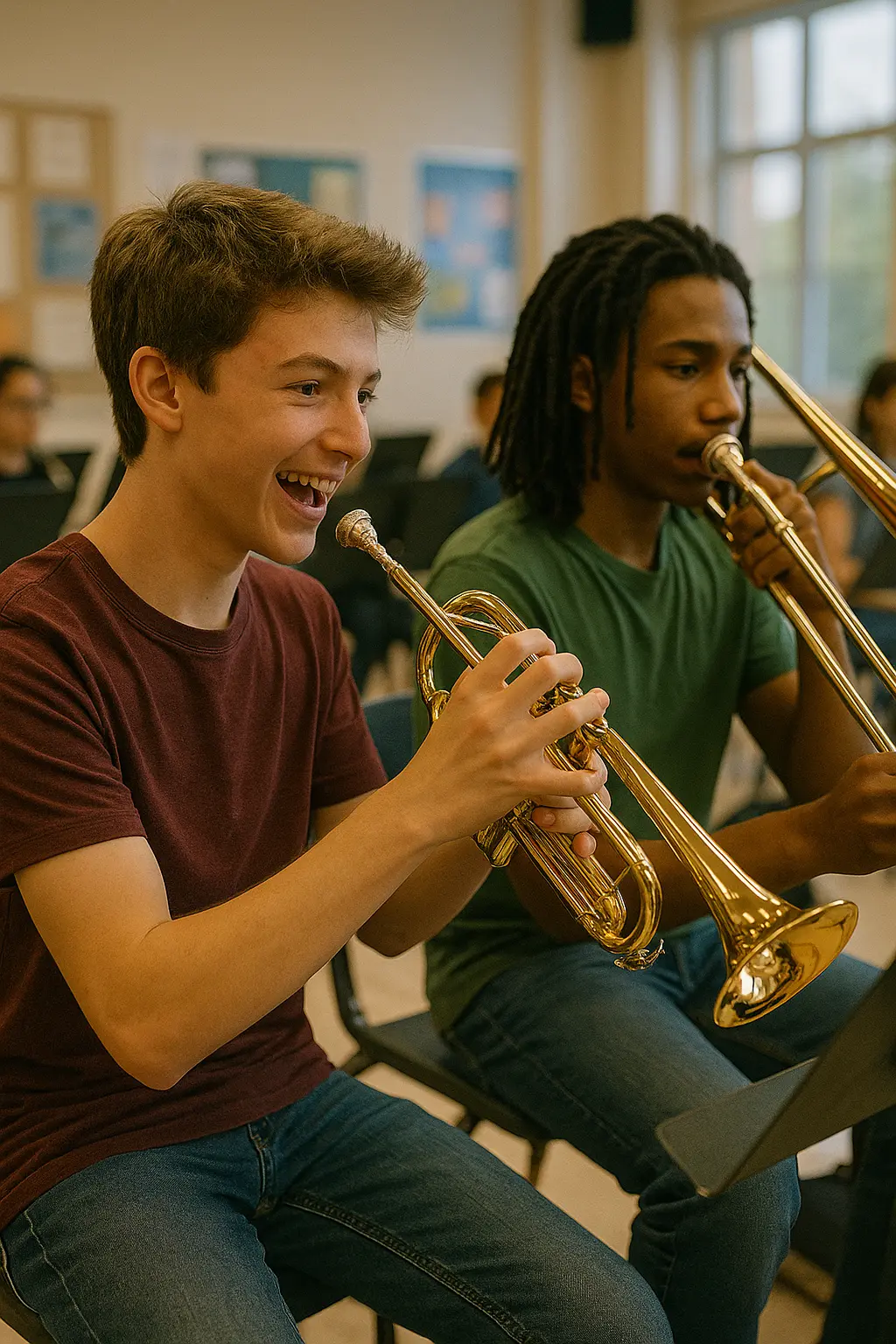
Students practicing together in ensemble using synchronized metronome

Ensemble Practice

"Synchronizes timing across multiple instruments"

School Band
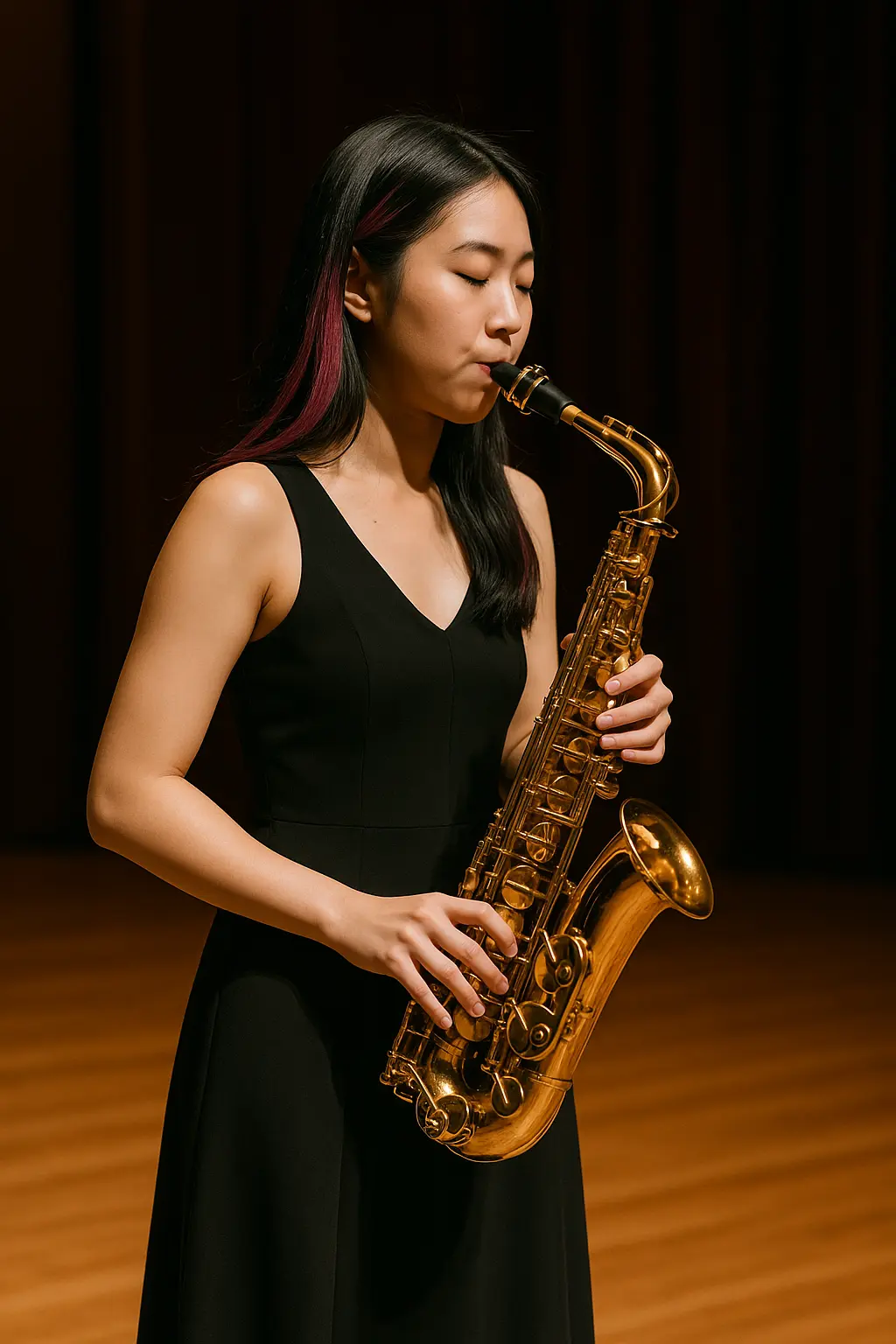
Student performing at Juilliard recital after practicing with Tunable

Elite Training

"Trusted by conservatory students worldwide"

Juilliard
Professional Broadway orchestra musicians who use Tunable

Broadway Orchestra

"Trusted by professional musicians on Broadway stages"

Broadway

----bakky--bksd-015---15.avifilmmusikpenismust Direct

The 1930s to 1960s are often referred to as the Golden Age of film music. This period saw the rise of legendary composers such as Max Steiner, Franz Waxman, and Bernard Herrmann, who created iconic scores for films like "King Kong," "Bride of Frankenstein," and "Psycho." These composers developed a unique style that blended classical music with popular music elements, creating a distinctive sound that became synonymous with Hollywood.

The use of music in film dates back to the early days of cinema. In the 1890s, live music was played during screenings to create a more immersive experience for audiences. As films became longer and more complex, the need for a more sophisticated soundtrack grew. The first film scores were often created by classical composers, who would write music specifically for a movie.

Over the years, film music has evolved to reflect changing tastes and technological advancements. The advent of electronic music and synthesizers in the 1970s and 1980s allowed composers to experiment with new sounds and textures. This led to the creation of iconic scores for films like "Jaws," "Star Wars," and "Indiana Jones."

Film music, also known as a soundtrack, is an integral part of the cinematic experience. It has the power to evoke emotions, create tension, and even influence our perception of a scene. A well-crafted soundtrack can elevate a good movie into a great one, making it more memorable and impactful. In this article, we'll explore the world of film music, its history, and the ways in which it enhances our experience of a film.

Film music is an integral part of the cinematic experience, elevating a good movie into a great one. From the early days of live music to the sophisticated scores of today, film music has evolved to reflect changing tastes and technological advancements. A well-crafted soundtrack can evoke emotions, create tension, and influence our perception of a scene. As film continues to evolve, the art of film music composition will remain a vital part of the storytelling process.


The 1930s to 1960s are often referred to as the Golden Age of film music. This period saw the rise of legendary composers such as Max Steiner, Franz Waxman, and Bernard Herrmann, who created iconic scores for films like "King Kong," "Bride of Frankenstein," and "Psycho." These composers developed a unique style that blended classical music with popular music elements, creating a distinctive sound that became synonymous with Hollywood.

The use of music in film dates back to the early days of cinema. In the 1890s, live music was played during screenings to create a more immersive experience for audiences. As films became longer and more complex, the need for a more sophisticated soundtrack grew. The first film scores were often created by classical composers, who would write music specifically for a movie.

Over the years, film music has evolved to reflect changing tastes and technological advancements. The advent of electronic music and synthesizers in the 1970s and 1980s allowed composers to experiment with new sounds and textures. This led to the creation of iconic scores for films like "Jaws," "Star Wars," and "Indiana Jones."

Film music, also known as a soundtrack, is an integral part of the cinematic experience. It has the power to evoke emotions, create tension, and even influence our perception of a scene. A well-crafted soundtrack can elevate a good movie into a great one, making it more memorable and impactful. In this article, we'll explore the world of film music, its history, and the ways in which it enhances our experience of a film.

Film music is an integral part of the cinematic experience, elevating a good movie into a great one. From the early days of live music to the sophisticated scores of today, film music has evolved to reflect changing tastes and technological advancements. A well-crafted soundtrack can evoke emotions, create tension, and influence our perception of a scene. As film continues to evolve, the art of film music composition will remain a vital part of the storytelling process.
Start your musical journey today

Join millions of musicians who practice with confidence. Download Tunable and discover what you're truly capable of.

Works on iPhone and Android
No ads, no subscriptions required