Desi Bhabhi Mms: %5bnew%5d
Per informazioni sull'acquisto contattaci
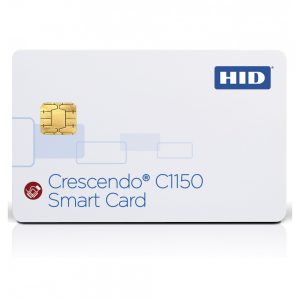
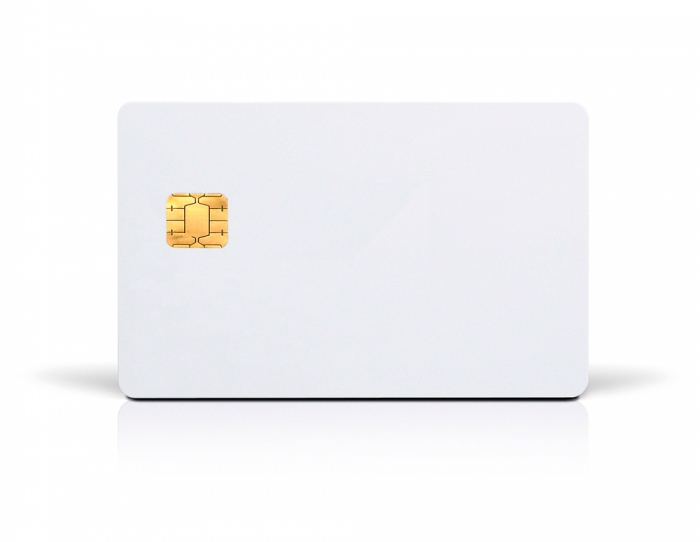
Gemalto Smart Card IDPrime MD 830 (with OTP ready for CAS server customers)
23,58€ IVA esclusa
Per informazioni sull'acquisto contattaci
Desi Bhabhi Mms: %5bnew%5d
They happen at the dinner table, over the last piece of gulab jamun .
So, the next time you see a thumbnail of a tearful bride or a furious grandfather, don't scroll past. You aren't watching a "soap opera." You are watching the most human genre on the planet. And trust us, it is deliciously chaotic. Are you a fan of Indian family dramas? Which trope resonates with you the most—the mother-in-law’s micro-aggressions or the cousin who always asks about your marriage plans? Share your story in the comments below. Desi bhabhi mms %5BNEW%5D
For the uninitiated, the phrase “Indian family drama” might conjure images of women in silk saris crying over spilled milk, or authoritarian fathers slamming newspapers on the table. While those tropes exist, they barely scratch the surface of a genre that has become a global cultural juggernaut. From the sprawling sagas of Hindi cinema to the binge-worthy complexities of web series, Indian family drama and lifestyle stories have evolved into a sophisticated mirror reflecting the chaotic, colorful, and deeply emotional heartbeat of a billion people. They happen at the dinner table, over the
These stories matter because family is the only democracy we never get to vote on. We are born into a specific set of people, and the drama lies in whether we break away or bind closer. Indian lifestyle stories, with their focus on the textures of daily life—the smell of cardamom, the rustle of a silk sari, the weight of a gold necklace—remind us that the most explosive conflicts don't happen in boardrooms or on battlefields. And trust us, it is deliciously chaotic
In the past decade, these stories have transcended the subcontinent. Whether you are in Manhattan, London, or Sydney, the appetite for narratives about Indian joint families, generational conflict, and the friction between tradition and modernity is insatiable. But why? What makes watching a family argue over a property dispute or a young bride try to fit into a rigid household so universally compelling?
| Peso | 100 kg |
|---|---|
| Specifiche Tecniche | Minidriver enabled contact smartcard, with Plug & Play capability CC EAL5+ / QSCD certified Fully supported by IDGo 800 (Minidriver, PKCS#11 libs, Credential Provider) Sleep mode activated 5:DESFire EV1 card body set with Key = 000.000 |
| Applicazioni | Accesso Logico Accesso Fisico Applicazioni di Sicurezza Applicazioni con gestioni di certificati digitali |
Prodotti correlati
-
Smart Card Tag e Token, Contact Card, Contactless Card, Smart Card & Tags, Smart Card Bianche, Contact Chip Blank, PKI Card, Gemalto Cards
Gemalto Smart Card IDPrime MD 830 B FIPS 140-2 Level 3 Precut
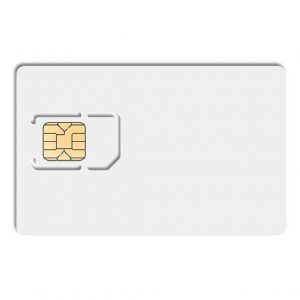 Smart Card Tag e Token, Contact Card, Contactless Card, Smart Card & Tags, Smart Card Bianche, Contact Chip Blank, PKI Card, Gemalto Cards
Gemalto Smart Card IDPrime MD 830 B FIPS 140-2 Level 3 Precut
Gemalto Smart Card IDPrime MD 830 B FIPS 140-2 Level 3 w/o OTP SIM Pre-cut material ABS
SKU: O1100988