Jav Sub Indo Guru Wanita Payudara Besar Hitomi: Tanaka - Indo18
To engage with Japanese entertainment is to accept a different contract than Hollywood offers. It does not promise clear resolution. It promises a beautiful, exhausting journey through a mirror of Japan’s own soul: a nation that loves to perform, even when no one is watching.
This is the logical conclusion of Japanese entertainment: the ability to fully detach from the physical awkwardness of reality into a curated, cute, controllable digital universe. For all its global success, the domestic Japanese entertainment industry faces systemic struggles. The Netflix Paradox Global streaming services have been a double-edged sword. On one hand, Netflix and Disney+ funded masterpieces like Blue Eye Samurai (Japanese set) and Alice in Borderland , exposing Japan to the world. On the other hand, they are eroding the domestic TV broadcast model. Japanese TV executives, famous for being technologically conservative (fax machines and floppy disks), are scrambling to adapt to an on-demand world. The Aging Nation Japan has the world's oldest population. The entertainment industry is consequently aging with it. The average Enka (ballad) singer is 60+. While anime sells in LA and Paris, the domestic box office is increasingly propped up by rebooted franchises from the 1980s ( Urusei Yatsura remake). The challenge for producers is creating content that appeals to a shrinking, graying domestic base while chasing a growing international youth market. The "Hikikomori" Risk The industry that saves lonely people might also trap them. The rise of "pay-to-win" mobile games ( Genshin Impact , Uma Musume ) and gacha mechanics (loot boxes) preys on the compulsive tendencies of shut-ins. The government has begun investigating gambling-like mechanics, but the cultural debate is tense: Is this entertainment or exploitation? Conclusion: The Soft Power of Kawaii and Kowai The Japanese entertainment industry is a fascinating contradiction. It is simultaneously the most futuristic ( AI VTubers , robot theater ) and the most traditional ( Kabuki references in anime ). It exports kawaii (cute) but also kowai (scary). It offers an escape from hierarchy while reinforcing hierarchy in its fan clubs.
In the global village of the 21st century, cultural borders have become increasingly porous. Yet, few nations have exported their DNA as successfully—or as intriguingly—as Japan. While Hollywood once dominated the global imagination, a quiet (and sometimes not-so-quiet) revolution has occurred. From the bustling arcades of Akihabara to the top of the Billboard charts, the Japanese entertainment industry has evolved from a niche curiosity into a dominant global force. To engage with Japanese entertainment is to accept
The cultural phenomenon of Kōhaku Uta Gassen (Red and White Song Battle) on New Year’s Eve is perhaps the clearest cultural artifact. It is a singing competition where the nation votes. It is not just a concert; it is a ritual that marks the passage of time, blending enka (traditional ballads) with viral J-Pop hits. If you ask a Gen Z fan in Brazil or Germany what they know of Japan, they won't mention sushi or Mt. Fuji. They will name Naruto , Luffy , or Levi Ackerman . Anime and Manga are no longer subcultures; they are the mainstream of global entertainment. The Industrial Behemoth The anime industry is a $30 billion+ machine. Studios like Toei Animation , Kyoto Animation , and Ufotable produce over 200 new TV series every year. The production model is brutal (low wages, tight deadlines), but the output is staggering.
This creates a specific narrative culture: Protagonists (from Goku to Deku) are never born the strongest. They must struggle. They must train. They must bond with rivals. This reflects the Japanese cultural value of doryoku (perseverance) over innate talent. The Otaku Economy The word Otaku (宅) once carried heavy stigma in Japan, implying a social recluse. Today, the Otaku are the economy's engine. They spend hundreds of dollars on figurines (Good Smile Company), body pillows (dakimakura), and trips to Anime Pilgrimage sites (real-world locations depicted in shows like Your Name ). This transition from shame to pride marks a major cultural shift in the last decade. Part 3: The Underground Engine – Idols and Niches Beneath the mainstream surface lies a volatile, electric current of counter-culture entertainment. The Idol Volcano The clean-cut, wave-your-penlight image of AKB48 is only half the story. While AKB48 perfected the "idols you can meet" (performing daily in their own theater), the underground scene produced revolt. This is the logical conclusion of Japanese entertainment:
shattered global expectations by fusing J-Pop vocals with death metal riffs. Bish and Atarashii Gakko! use punk rock attitude and chaotic choreography to critique the strict conformity of Japanese schools and offices.
What makes Japanese cinema culturally distinct? (間), or the "pregnant pause." Unlike Western editing, which prioritizes speed, Japanese directors often linger on silence, nature, or still faces, reflecting a cultural preference for implication over exposition. Terebi: The Reign of Variety TV Ask any Japanese person what they watch on Friday night. The answer is likely not a drama, but a Variety Show . These programs—featuring quirky challenges, eating contests, and talk segments with 20 comedians on a single couch—dominate the ratings. On one hand, Netflix and Disney+ funded masterpieces
The "chika" (underground) idol scene is notoriously intense. Fans (often called wota ) develop complex call-and-response chants. The relationship is parasocial but deeply felt. When an idol "graduates" (leaves the group), fans mourn as if losing a family member. This is not merely entertainment; it is a substitute for traditional community ties lost in urbanization. Walk through Shinjuku’s Golden Gai or Dogenzaka in Shibuya, and you will find the physical manifestation of Japanese entertainment culture: Karaoke as a corporate bonding tool (the nomikai ), Maid Cafés where service is a theatrical performance, and Arcades (Taito Game Stations) that refuse to die.
Prophets In Quran & Their Ancestry
A Journey Through Revelation - Unveiling The Prophetic Legacy
Read More
Quran Explorer
Our well known Web client for Recitation & Translation. Its user friendly & completely installation free
Visit Now





Nikah Explorer
NikahExplorer.com is the #1 choice for Single Muslims across the globe to find their ideal life partner through a unique Shariah compliant match making website
Register For Free




New Quran Explorer Web App
Compatible with your new Tablet & Smartphone along with advance log in & tracking feature
Visit Now

Salah Explorer
- Auto detect local Salah times
- Salah time view in 5 or 30 days interface
- Location based Qibla direction
- Both Islamic and Georgian calendar
- Salah timings for Hanfi & Shafi
- Custom location settings
- Automatically updates when connected
Download


iPhone / iPad App
Simple to use with high quality audio. Your favorite Quran reading application is now available for iPhone & iPad with lots of new features
Visit App Store
Quran Desktop
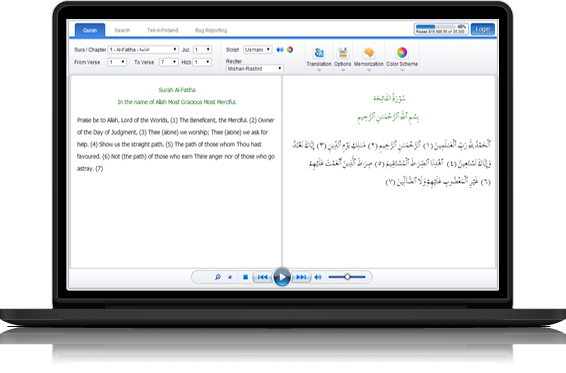
Listen to The Quran recitation & translation in Arabic, English and Urdu. This application is now available in both online & offline modes
Get Desktop App


Dua App
Four popular Dua books digitized and searchable containing 1000+ Duas (Supplications) for daily use or special circumstances. Designed to be optimized for Tablets, Smart Phones, and Desktop
Visit Now

Quran Interactive
Learn to read The Holy Quran online with professional teachers. Join hundreds of people that are benefiting from our advance teaching system
Sign up now for a 2 days FREE trial evaluation
Sign UP Now

Hadith Explorer
18,000+ Hadith from Bukhari, Muslim, Malik and Dawud searchable & organized in easy to view chapters
Visit Now
To engage with Japanese entertainment is to accept a different contract than Hollywood offers. It does not promise clear resolution. It promises a beautiful, exhausting journey through a mirror of Japan’s own soul: a nation that loves to perform, even when no one is watching.
This is the logical conclusion of Japanese entertainment: the ability to fully detach from the physical awkwardness of reality into a curated, cute, controllable digital universe. For all its global success, the domestic Japanese entertainment industry faces systemic struggles. The Netflix Paradox Global streaming services have been a double-edged sword. On one hand, Netflix and Disney+ funded masterpieces like Blue Eye Samurai (Japanese set) and Alice in Borderland , exposing Japan to the world. On the other hand, they are eroding the domestic TV broadcast model. Japanese TV executives, famous for being technologically conservative (fax machines and floppy disks), are scrambling to adapt to an on-demand world. The Aging Nation Japan has the world's oldest population. The entertainment industry is consequently aging with it. The average Enka (ballad) singer is 60+. While anime sells in LA and Paris, the domestic box office is increasingly propped up by rebooted franchises from the 1980s ( Urusei Yatsura remake). The challenge for producers is creating content that appeals to a shrinking, graying domestic base while chasing a growing international youth market. The "Hikikomori" Risk The industry that saves lonely people might also trap them. The rise of "pay-to-win" mobile games ( Genshin Impact , Uma Musume ) and gacha mechanics (loot boxes) preys on the compulsive tendencies of shut-ins. The government has begun investigating gambling-like mechanics, but the cultural debate is tense: Is this entertainment or exploitation? Conclusion: The Soft Power of Kawaii and Kowai The Japanese entertainment industry is a fascinating contradiction. It is simultaneously the most futuristic ( AI VTubers , robot theater ) and the most traditional ( Kabuki references in anime ). It exports kawaii (cute) but also kowai (scary). It offers an escape from hierarchy while reinforcing hierarchy in its fan clubs.
In the global village of the 21st century, cultural borders have become increasingly porous. Yet, few nations have exported their DNA as successfully—or as intriguingly—as Japan. While Hollywood once dominated the global imagination, a quiet (and sometimes not-so-quiet) revolution has occurred. From the bustling arcades of Akihabara to the top of the Billboard charts, the Japanese entertainment industry has evolved from a niche curiosity into a dominant global force.
The cultural phenomenon of Kōhaku Uta Gassen (Red and White Song Battle) on New Year’s Eve is perhaps the clearest cultural artifact. It is a singing competition where the nation votes. It is not just a concert; it is a ritual that marks the passage of time, blending enka (traditional ballads) with viral J-Pop hits. If you ask a Gen Z fan in Brazil or Germany what they know of Japan, they won't mention sushi or Mt. Fuji. They will name Naruto , Luffy , or Levi Ackerman . Anime and Manga are no longer subcultures; they are the mainstream of global entertainment. The Industrial Behemoth The anime industry is a $30 billion+ machine. Studios like Toei Animation , Kyoto Animation , and Ufotable produce over 200 new TV series every year. The production model is brutal (low wages, tight deadlines), but the output is staggering.
This creates a specific narrative culture: Protagonists (from Goku to Deku) are never born the strongest. They must struggle. They must train. They must bond with rivals. This reflects the Japanese cultural value of doryoku (perseverance) over innate talent. The Otaku Economy The word Otaku (宅) once carried heavy stigma in Japan, implying a social recluse. Today, the Otaku are the economy's engine. They spend hundreds of dollars on figurines (Good Smile Company), body pillows (dakimakura), and trips to Anime Pilgrimage sites (real-world locations depicted in shows like Your Name ). This transition from shame to pride marks a major cultural shift in the last decade. Part 3: The Underground Engine – Idols and Niches Beneath the mainstream surface lies a volatile, electric current of counter-culture entertainment. The Idol Volcano The clean-cut, wave-your-penlight image of AKB48 is only half the story. While AKB48 perfected the "idols you can meet" (performing daily in their own theater), the underground scene produced revolt.
shattered global expectations by fusing J-Pop vocals with death metal riffs. Bish and Atarashii Gakko! use punk rock attitude and chaotic choreography to critique the strict conformity of Japanese schools and offices.
What makes Japanese cinema culturally distinct? (間), or the "pregnant pause." Unlike Western editing, which prioritizes speed, Japanese directors often linger on silence, nature, or still faces, reflecting a cultural preference for implication over exposition. Terebi: The Reign of Variety TV Ask any Japanese person what they watch on Friday night. The answer is likely not a drama, but a Variety Show . These programs—featuring quirky challenges, eating contests, and talk segments with 20 comedians on a single couch—dominate the ratings.
The "chika" (underground) idol scene is notoriously intense. Fans (often called wota ) develop complex call-and-response chants. The relationship is parasocial but deeply felt. When an idol "graduates" (leaves the group), fans mourn as if losing a family member. This is not merely entertainment; it is a substitute for traditional community ties lost in urbanization. Walk through Shinjuku’s Golden Gai or Dogenzaka in Shibuya, and you will find the physical manifestation of Japanese entertainment culture: Karaoke as a corporate bonding tool (the nomikai ), Maid Cafés where service is a theatrical performance, and Arcades (Taito Game Stations) that refuse to die.