Latina Abuse Sephora 44 File

The beauty industry has long been regarded as a welcoming and inclusive space, where individuals from diverse backgrounds can come together to celebrate their unique features and express themselves through various products and services. However, a recent incident at a Sephora store in New York City has brought to light a disturbing reality that many Latinas face: abuse and harassment.

The incident at Sephora is a disturbing reminder of the reality of Latina abuse and harassment. It highlights the need for greater support and resources for Latinas who experience abuse and harassment, as well as a cultural shift within organizations to prevent these incidents from occurring in the first place. Latina Abuse Sephora 44

The report found that 44% of Latinas have experienced some form of harassment or abuse in the workplace, including verbal and physical abuse, unwanted touching, and racist or ethnic slurs. The report also found that Latinas are more likely to experience retaliation for reporting incidents of harassment or abuse. The beauty industry has long been regarded as

As a society, we must do more to support Latinas and other marginalized groups who are disproportionately affected by abuse and harassment. This includes providing safe and confidential reporting mechanisms, access to counseling and other forms of support, and creating a culture of empathy and understanding. It highlights the need for greater support and

The impact of abuse and harassment on Latinas can be severe, including anxiety, depression, and post-traumatic stress disorder (PTSD). It can also have a significant impact on their economic stability and overall well-being.

Commentary volume

Commentary volume

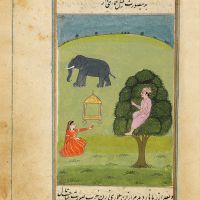
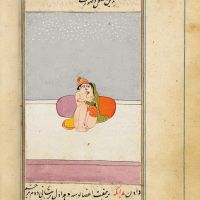
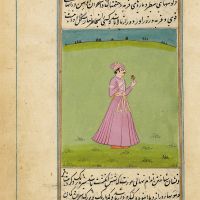
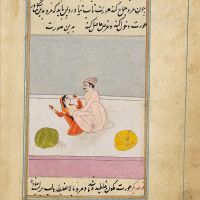
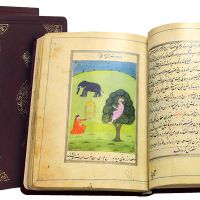
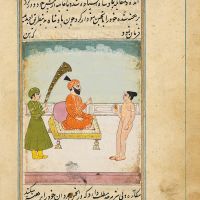
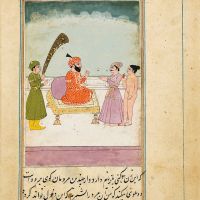
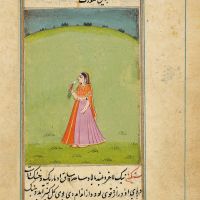
Lazzat al-nisâ (The pleasure of women)

Bibliothèque nationale de France


CONTENTS
 
  • From the Editor to the Reader
 
  • Lazzat al-nisâ and Its Significance in the Erotic Literature of the Persianate World.
Hormoz Ebrahimnejad (University of Southampton)
 
  • Lazzat al-nisâ. Translation.
Willem Floor (Independent Scholar), Hasan Javadi (University of California, Berkeley) and Hormoz Ebrahimnejad (University of Southampton)


ISBN : 978-84-16509-20-1

Commentary volume available in English, French or Spanish.

Lazzat al-nisâ (The pleasure of women) Bibliothèque nationale de France


Descripcion

Description

Lazzat al-nisâ (The pleasure of women)

Bibliothèque nationale de France


In Muslim India numerous treatises were written on sexology. Many of them included prescriptions concerning problems dealing with virility or, more precisely, with masculine sexual arousal. The Sanskrit text which is considered the primary source for all Persian translations is known as the Koka Shastra (or Ratirahasya) —derived from its author’s name, Pandit Kokkoka—, a title that was later given to all treatises in the genre. The Koka Shastra by Kokkoka was probably not the only such text known to Muslim authors.

The Lazzat al-nisâ is a Persian translation of the Koka Shastra, which contains descriptions of the four different types of women and indicates the days and hours of the day in which each type is more prone to love. The author quotes all the different works he has consulted, which have not survived to this day.


The beauty industry has long been regarded as a welcoming and inclusive space, where individuals from diverse backgrounds can come together to celebrate their unique features and express themselves through various products and services. However, a recent incident at a Sephora store in New York City has brought to light a disturbing reality that many Latinas face: abuse and harassment.

The incident at Sephora is a disturbing reminder of the reality of Latina abuse and harassment. It highlights the need for greater support and resources for Latinas who experience abuse and harassment, as well as a cultural shift within organizations to prevent these incidents from occurring in the first place.

The report found that 44% of Latinas have experienced some form of harassment or abuse in the workplace, including verbal and physical abuse, unwanted touching, and racist or ethnic slurs. The report also found that Latinas are more likely to experience retaliation for reporting incidents of harassment or abuse.

As a society, we must do more to support Latinas and other marginalized groups who are disproportionately affected by abuse and harassment. This includes providing safe and confidential reporting mechanisms, access to counseling and other forms of support, and creating a culture of empathy and understanding.

The impact of abuse and harassment on Latinas can be severe, including anxiety, depression, and post-traumatic stress disorder (PTSD). It can also have a significant impact on their economic stability and overall well-being.

Cookie preferences

We use our own and third-party cookies to improve our services by analyzing your browsing habits. For more information, you can read our cookie policy. You can accept all cookies, configure them, or reject their use by clicking one of the buttons below.