
Arch Pro is a precision-tuned LOG to REC709 LUT system built specifically for the Pocket Cinema Camera 4K, 6K, and 6K Pro. The base set includes a Natural LUT along with Filmic and Vibrant character LUTs—each one uniquely matched to your camera’s sensor and LOG profile. This isn’t one-size-fits-all, it’s one-for-each, engineered for color that just works.
Want more? The Plus and Premium Bundles unlock stylized Film Looks and DaVinci Wide Gamut support for Resolve users.




Whether you’re a filmmaker, YouTuber, or weekend warrior, if you're working with Pocket 4K, 6K, or 6K Pro footage, this is the fastest way to make it shine. Arch Pro enhances highlight rolloff, improves skin tone, and just looks good.
Import Arch Pro LUTs right into your Pocket Cinema Camera to preview the colors live — great for livestreams, fast turnarounds, or video village. Burn it in if you want. Shoot LOG and tweak later if you don’t.


Create a cohesive cinematic look without obsessing over complex node trees. Whether you’re cutting a music video or a doc on a deadline, these LUTs hold their own — and still play nice with secondary grading and effects.


Arch Pro Plus adds 12 pre-built Film Looks that range from elegant monochromes to punchy stylization. Everything from a Black & White so classy it’d make Fred Astaire jump for joy to a Teal & Orange that could coax a single tear down Michael Bay’s cheek.


Arch Pro Premium unlocks a secret weapon: DaVinci Wide Gamut support. No Rec709 bakes. No locked-in looks. Just a clean, accurate conversion into DaVinci’s modern color space — built for real post workflows and future-proof grades.
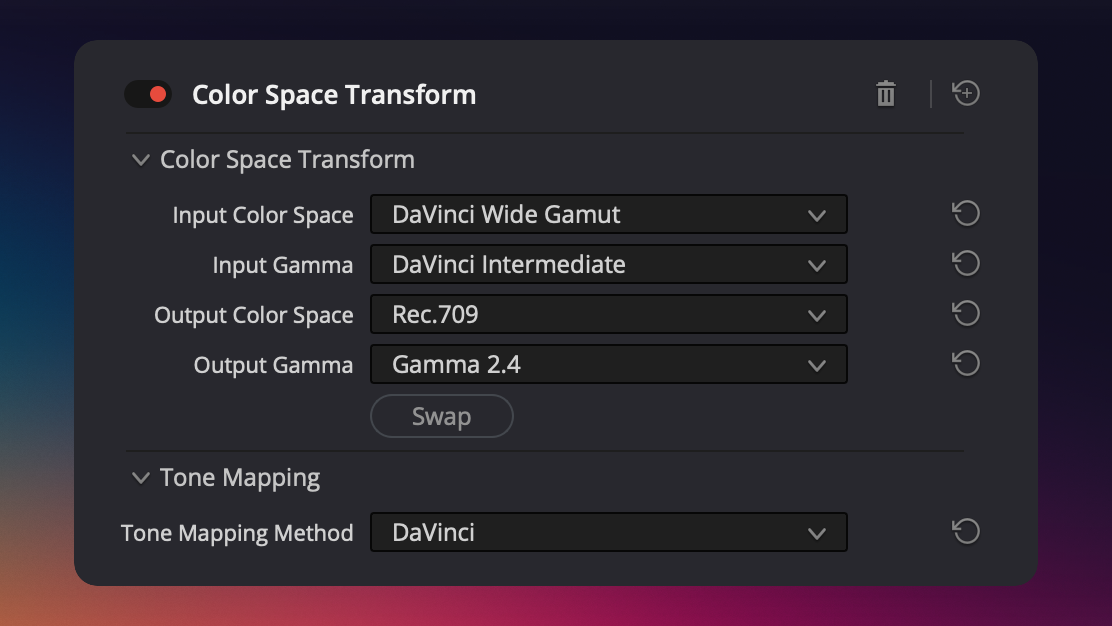

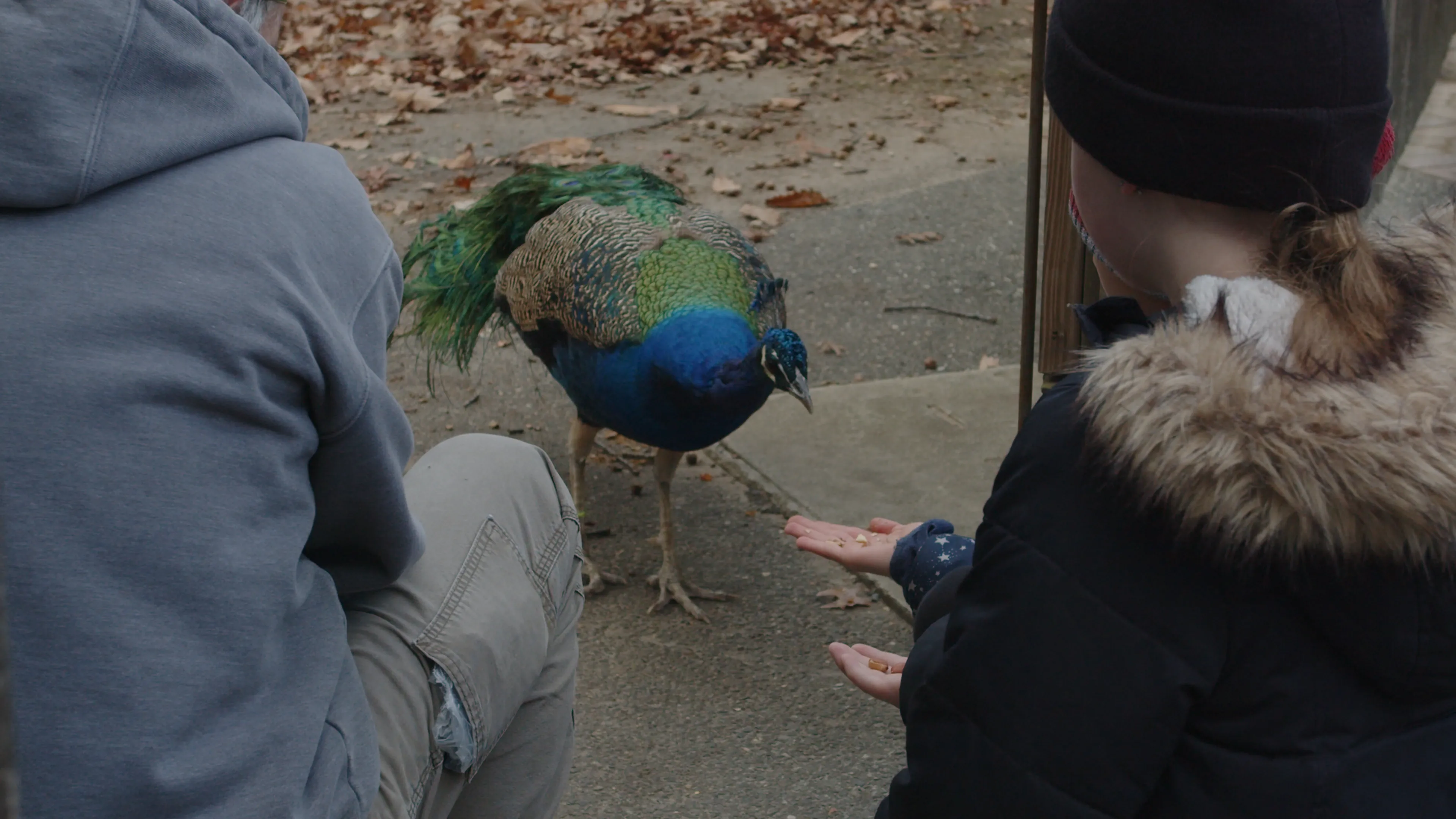
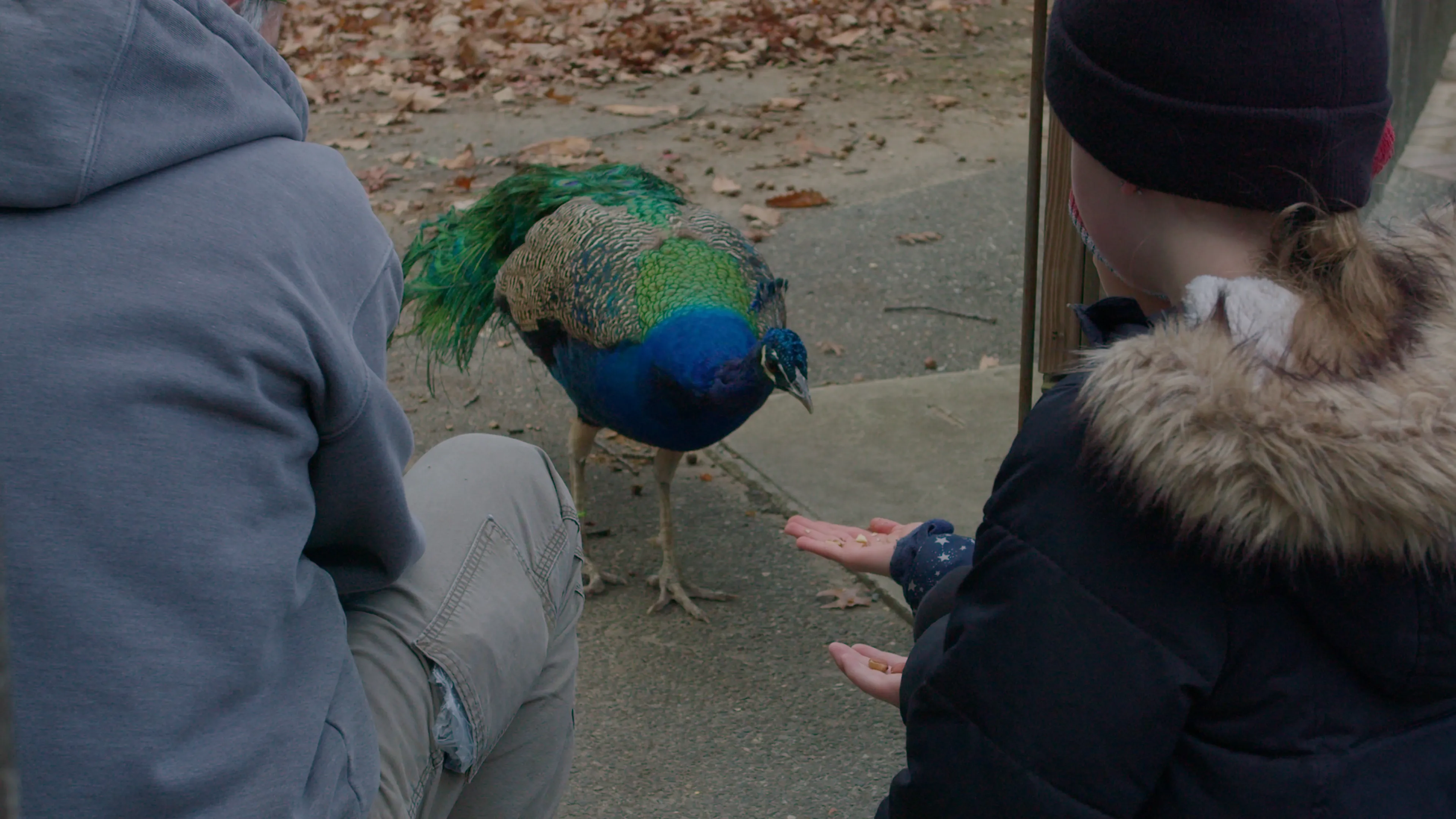
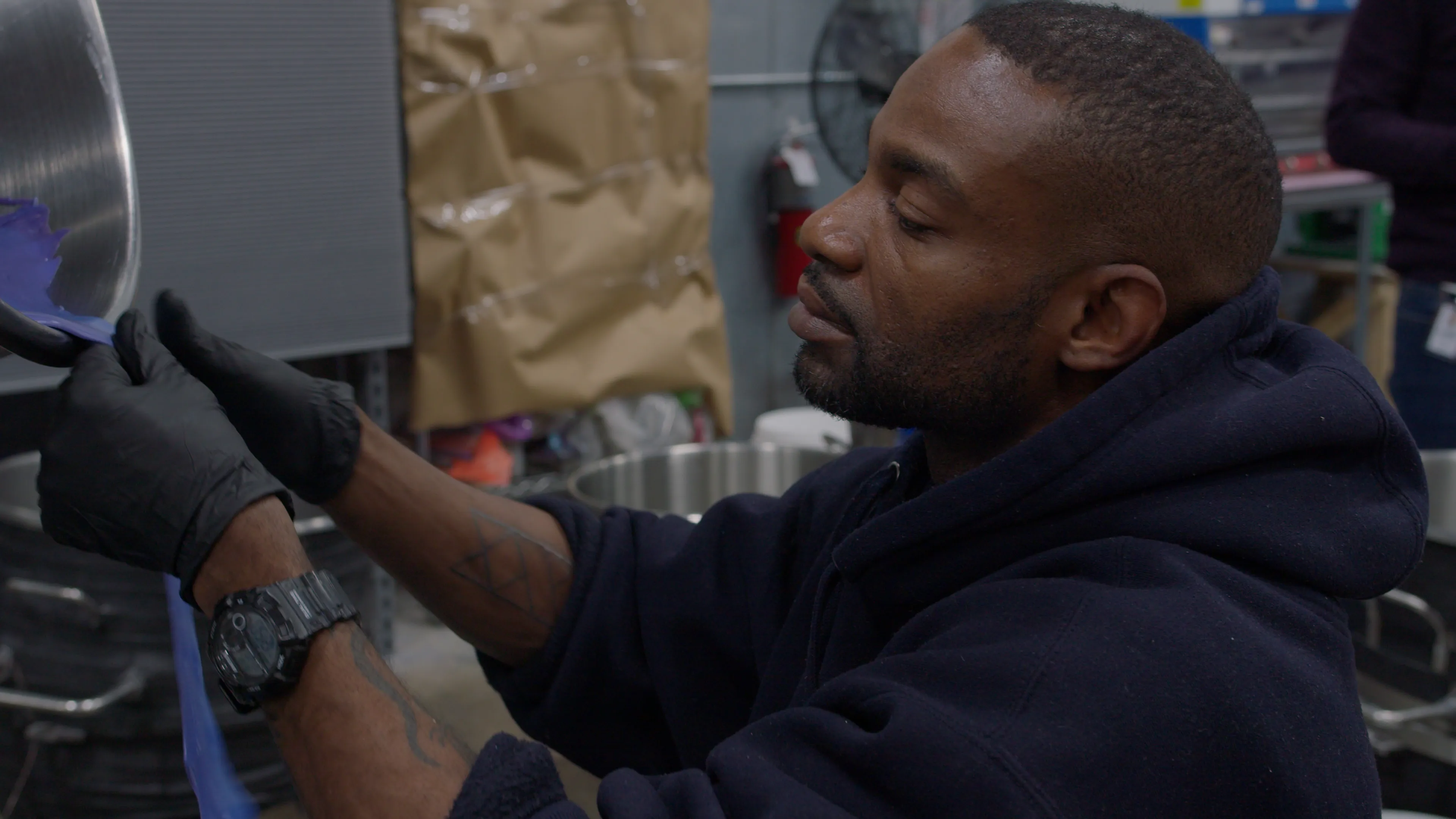
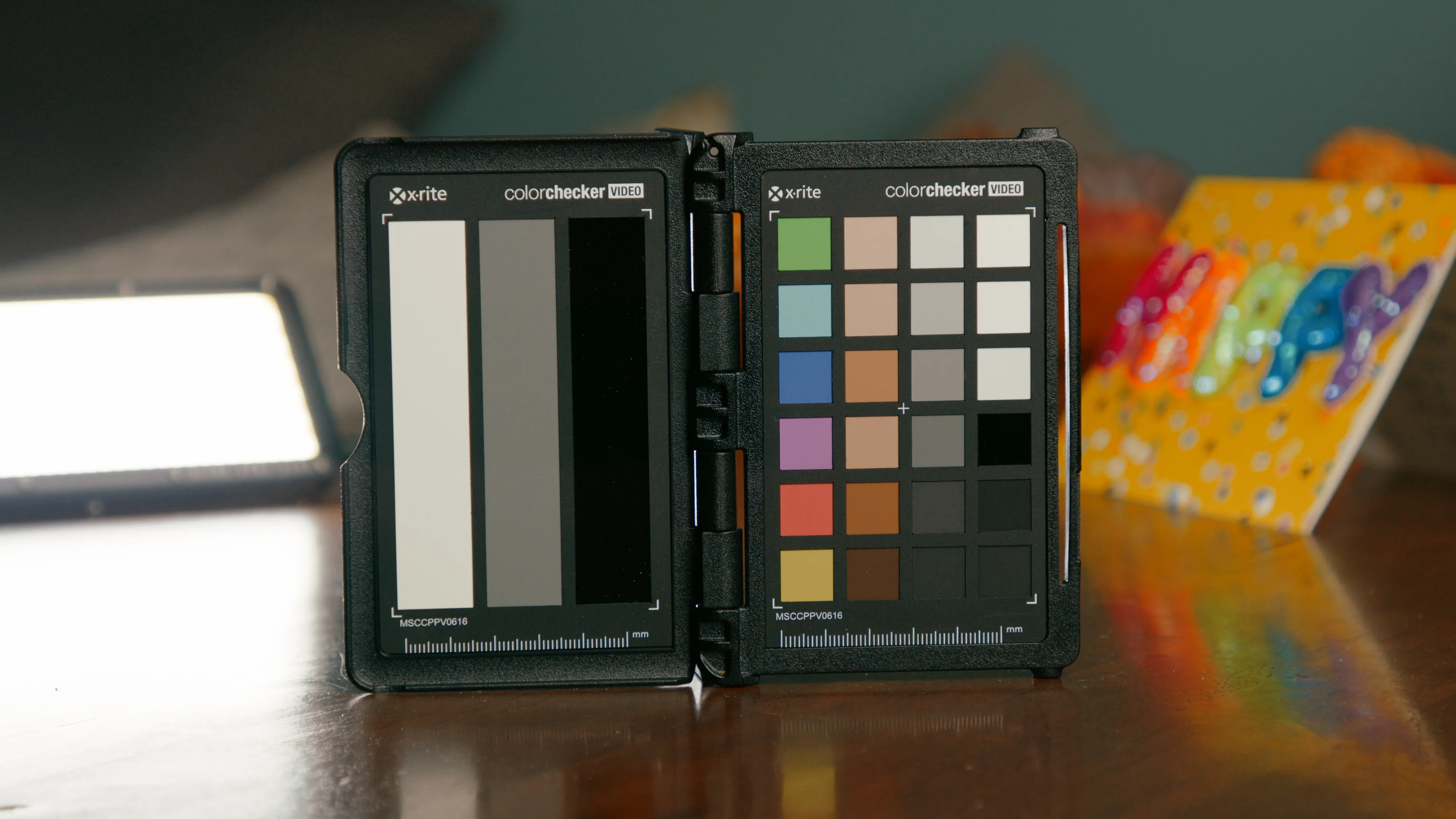
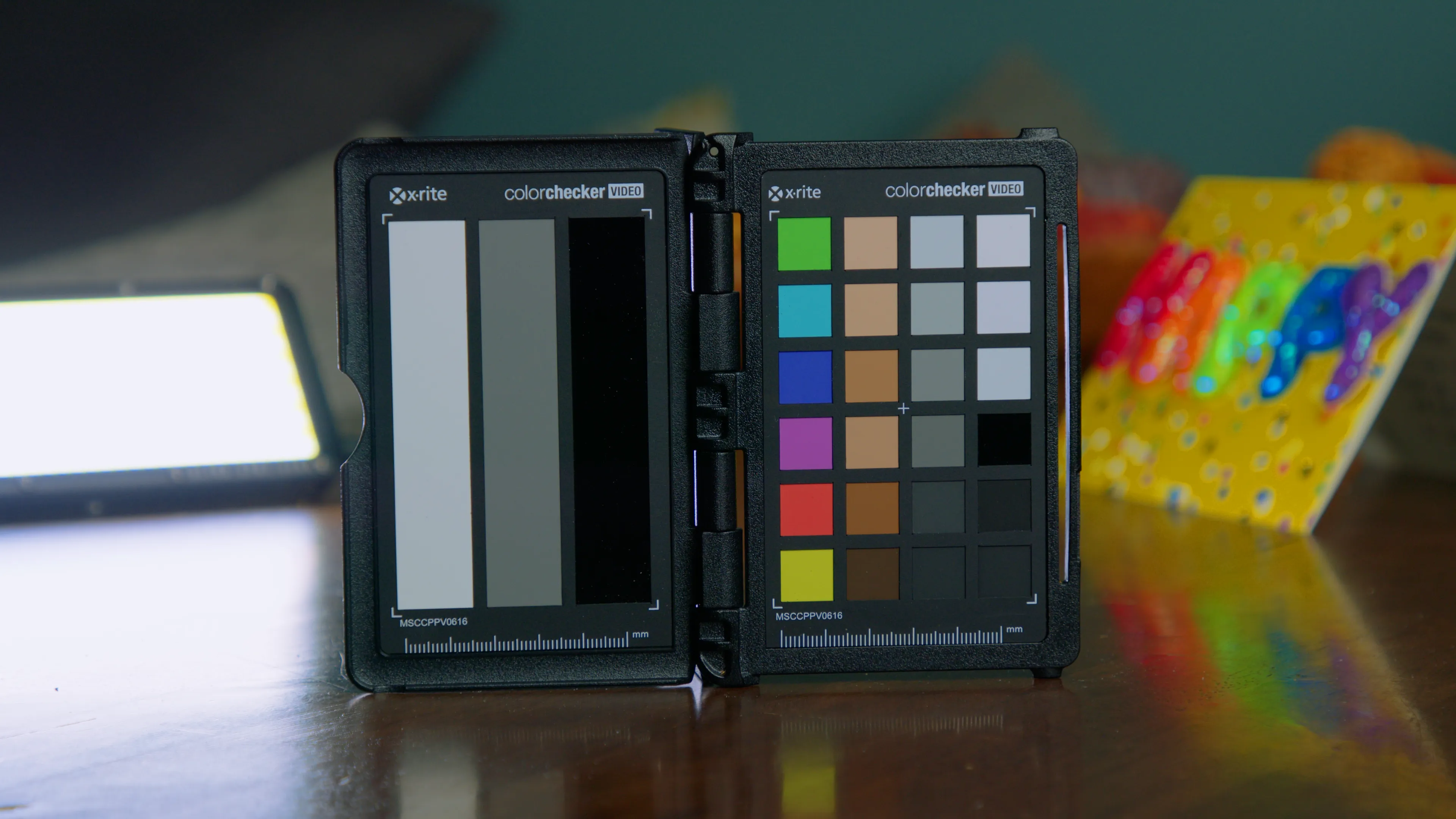
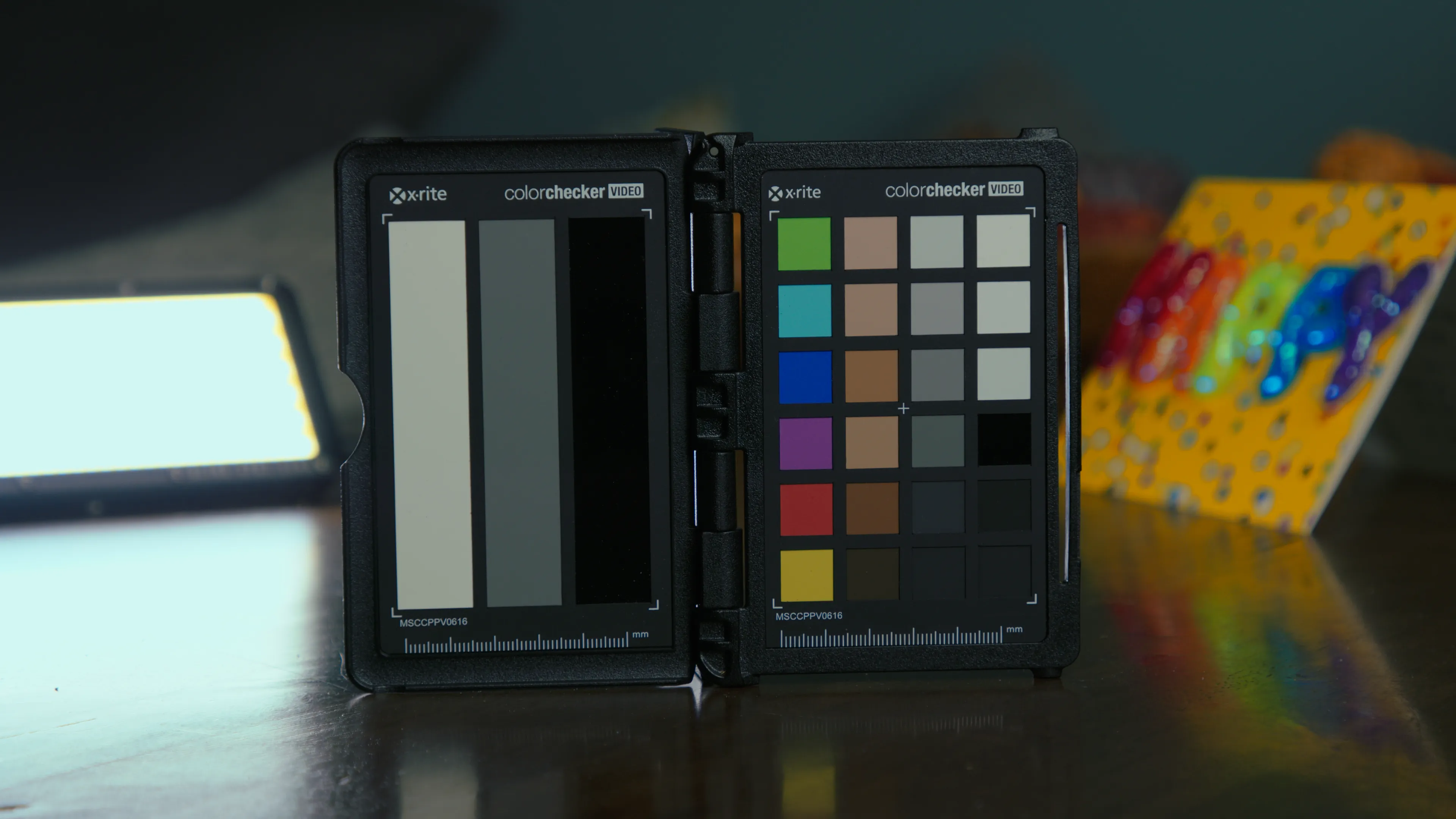
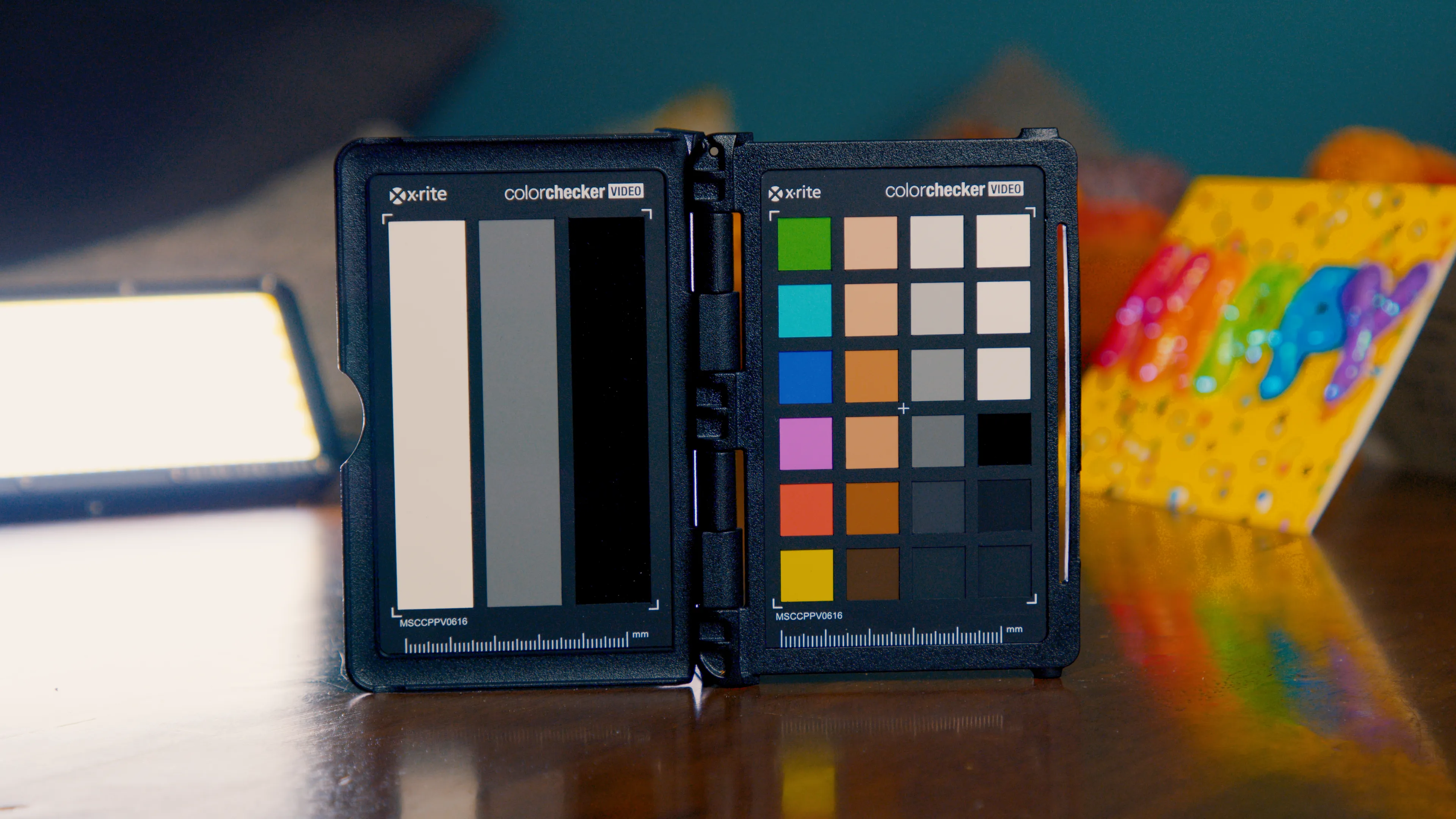
All of these examples were shot in BRAW with Gen 5 color science. On the left: Blackmagic’s built-in Extended Video LUT. On the right: Arch Pro Natural.
This isn't showing a LOG-to-Rec709 miracle like most do, this is comparing what you’d actually get side-by-side. The difference between good enough
and being there.






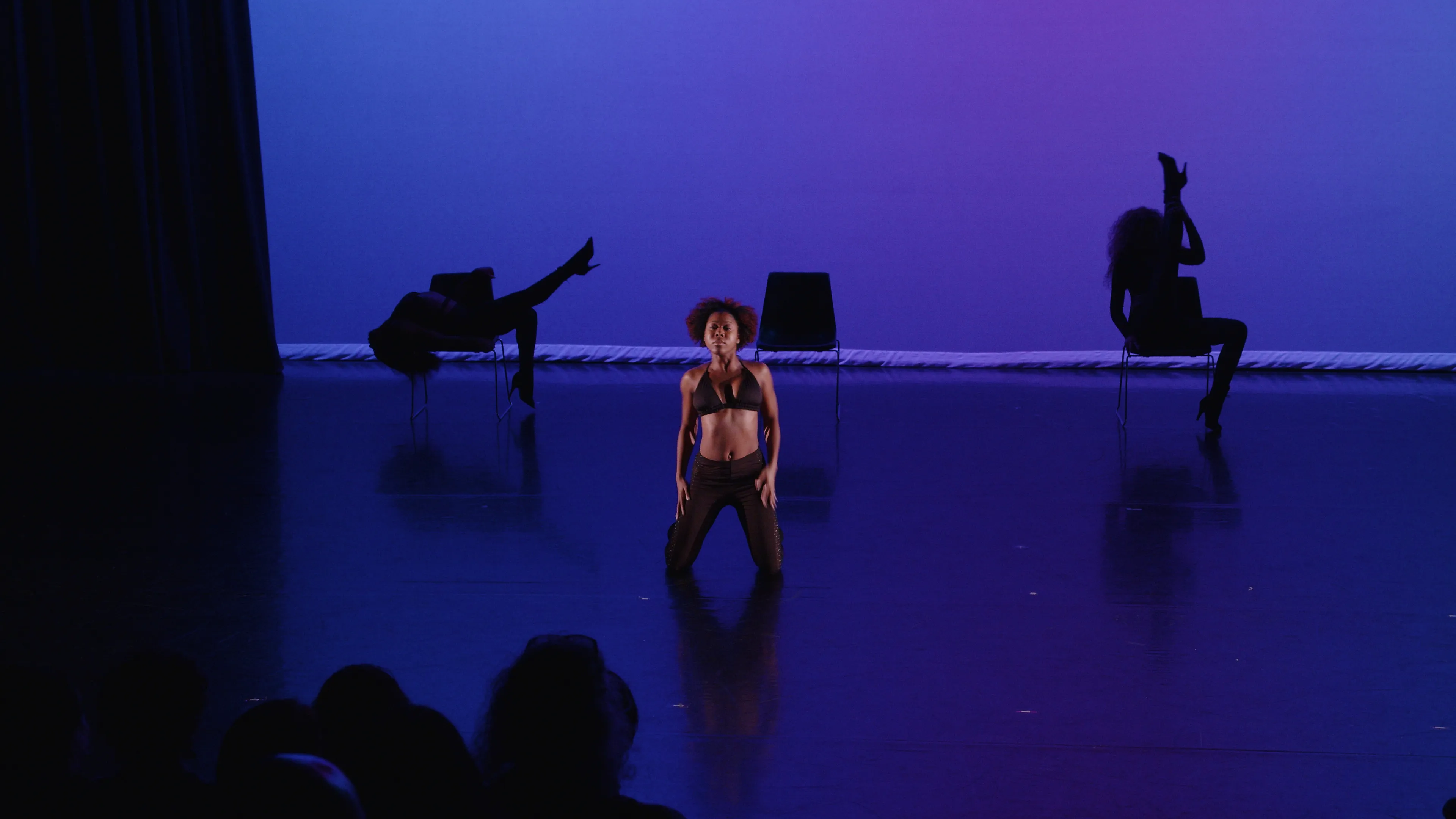
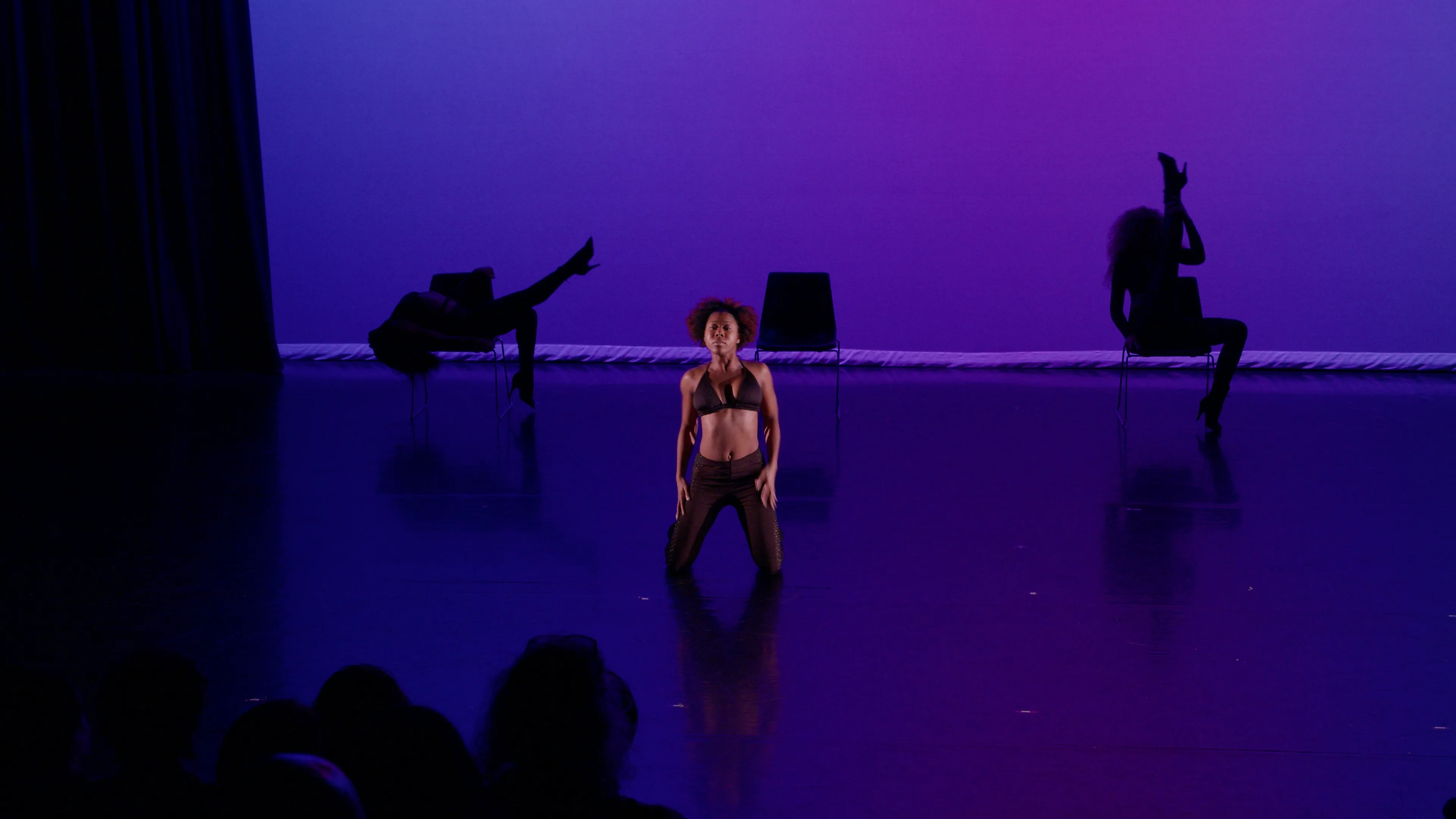






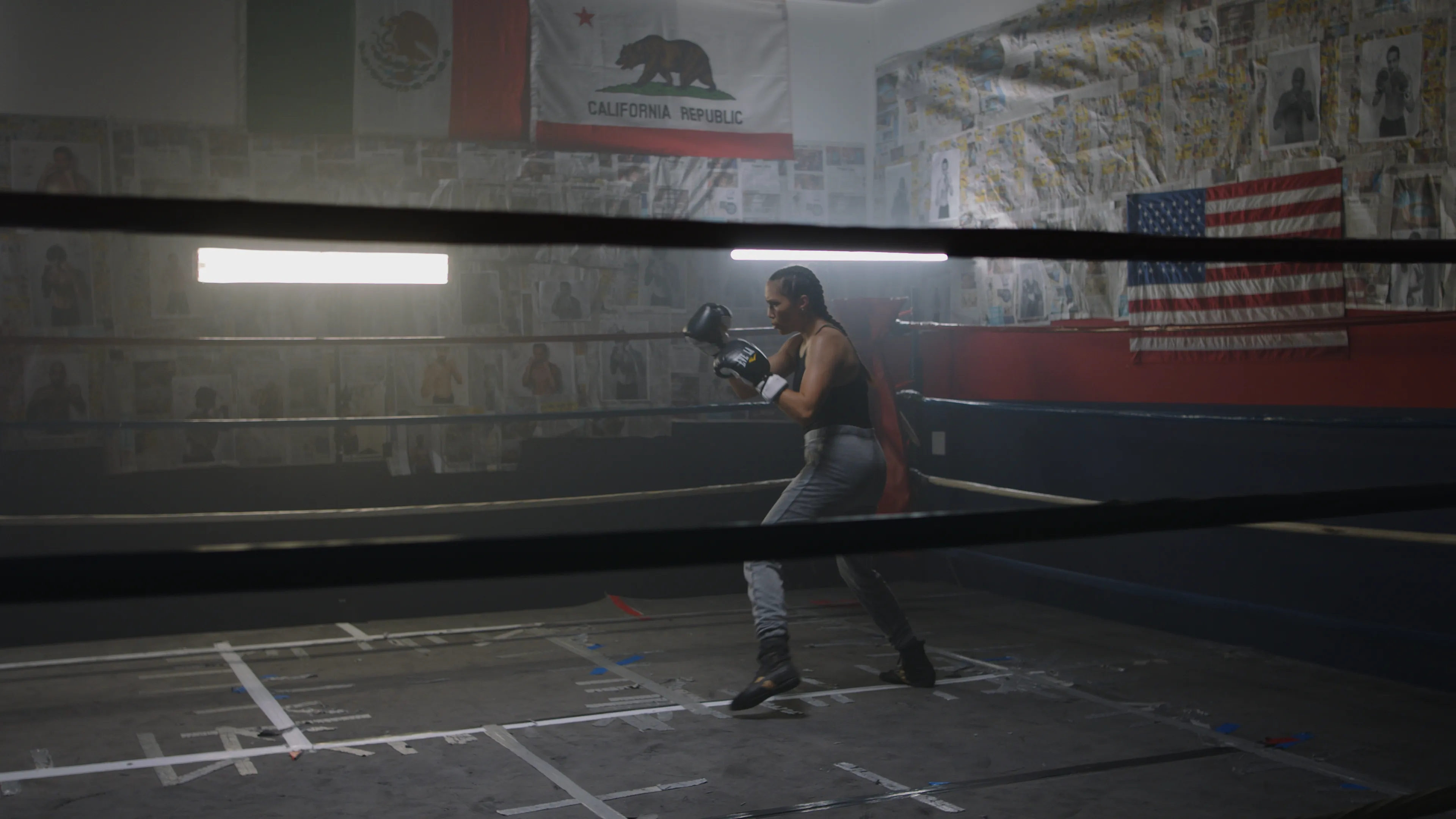
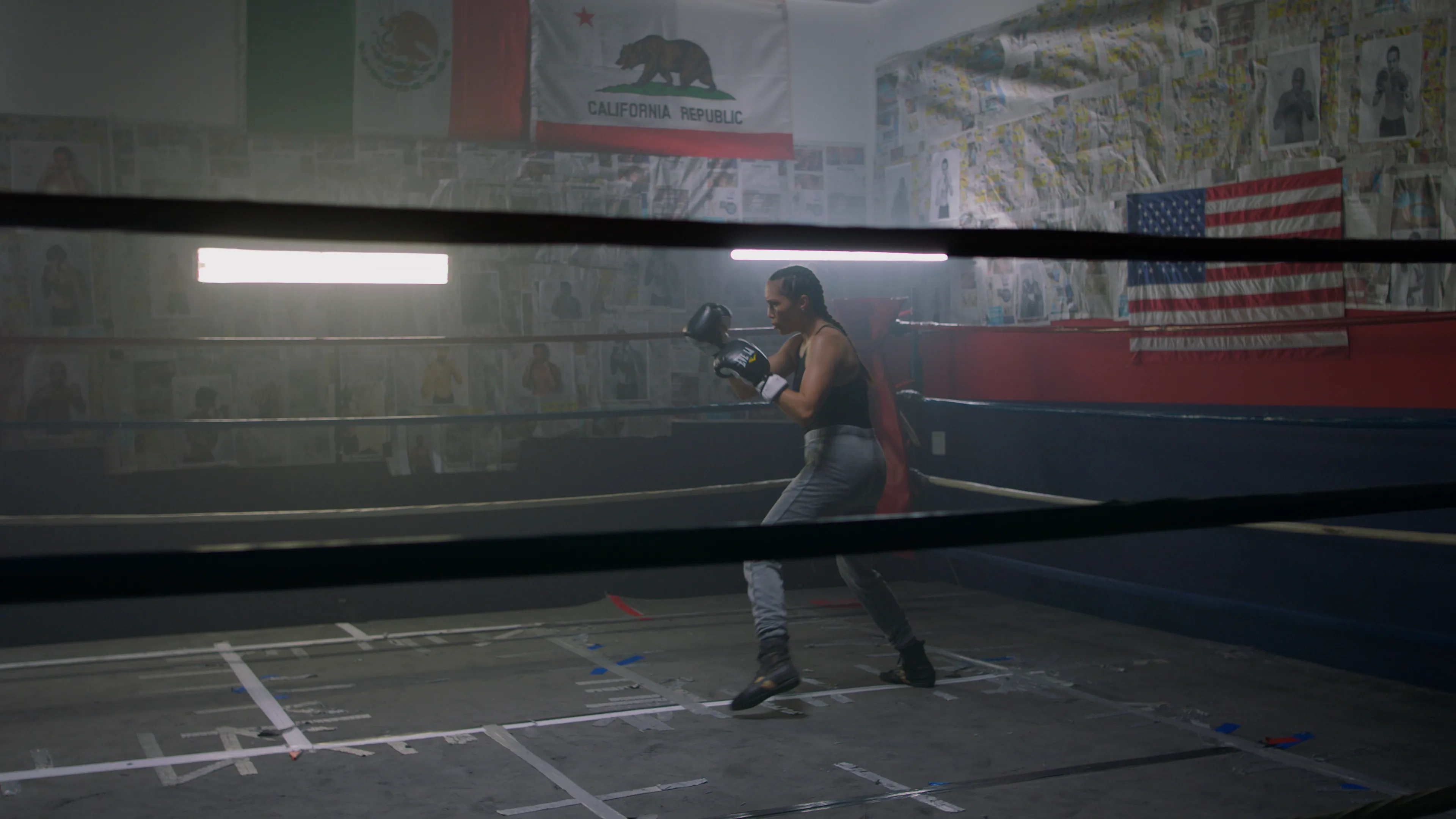




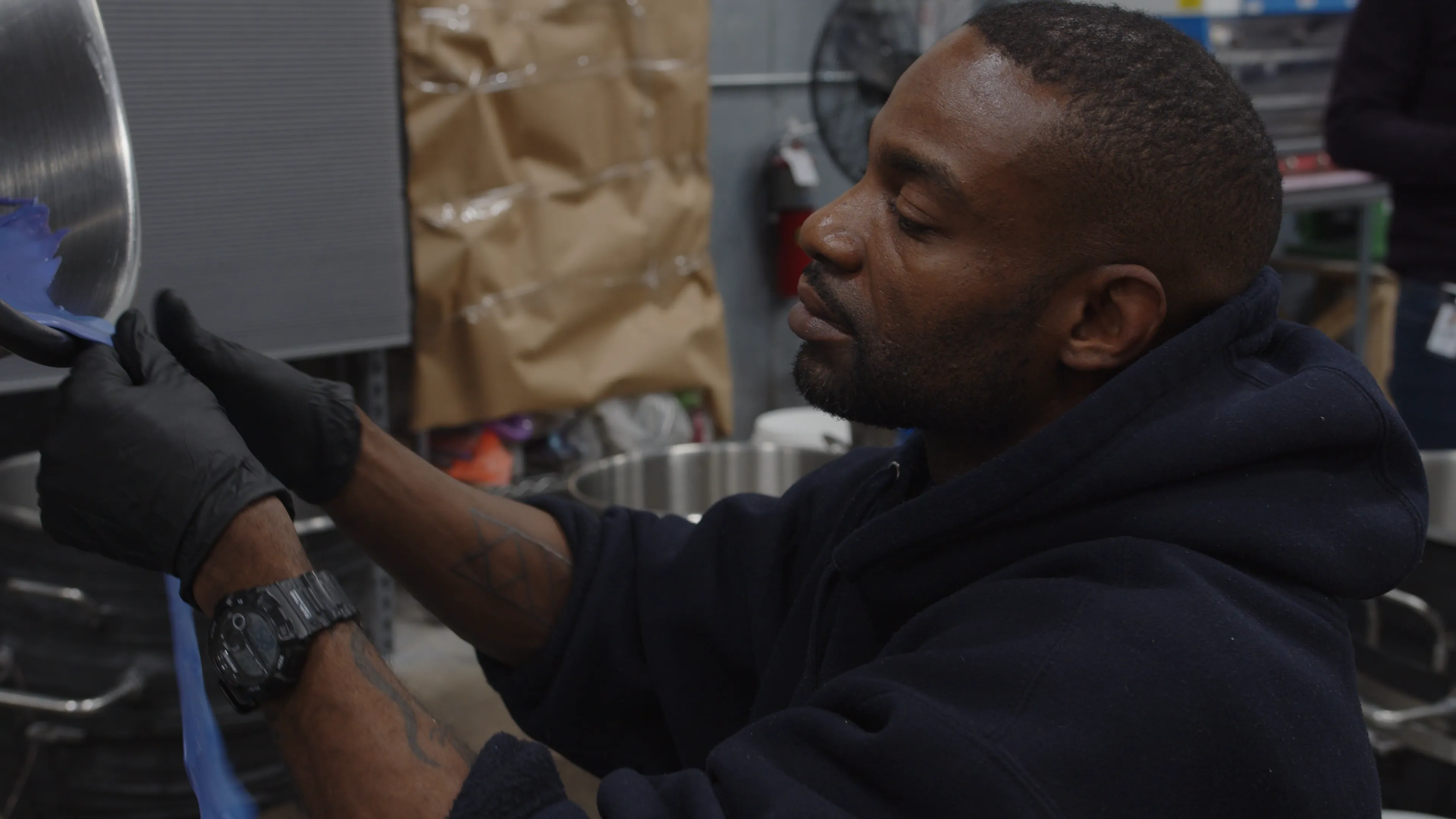




Arch Pro Plus gives you 12 distinct looks for your footage. Arch Pro Premium gives you the same looks with full DaVinci Wide Gamut support!
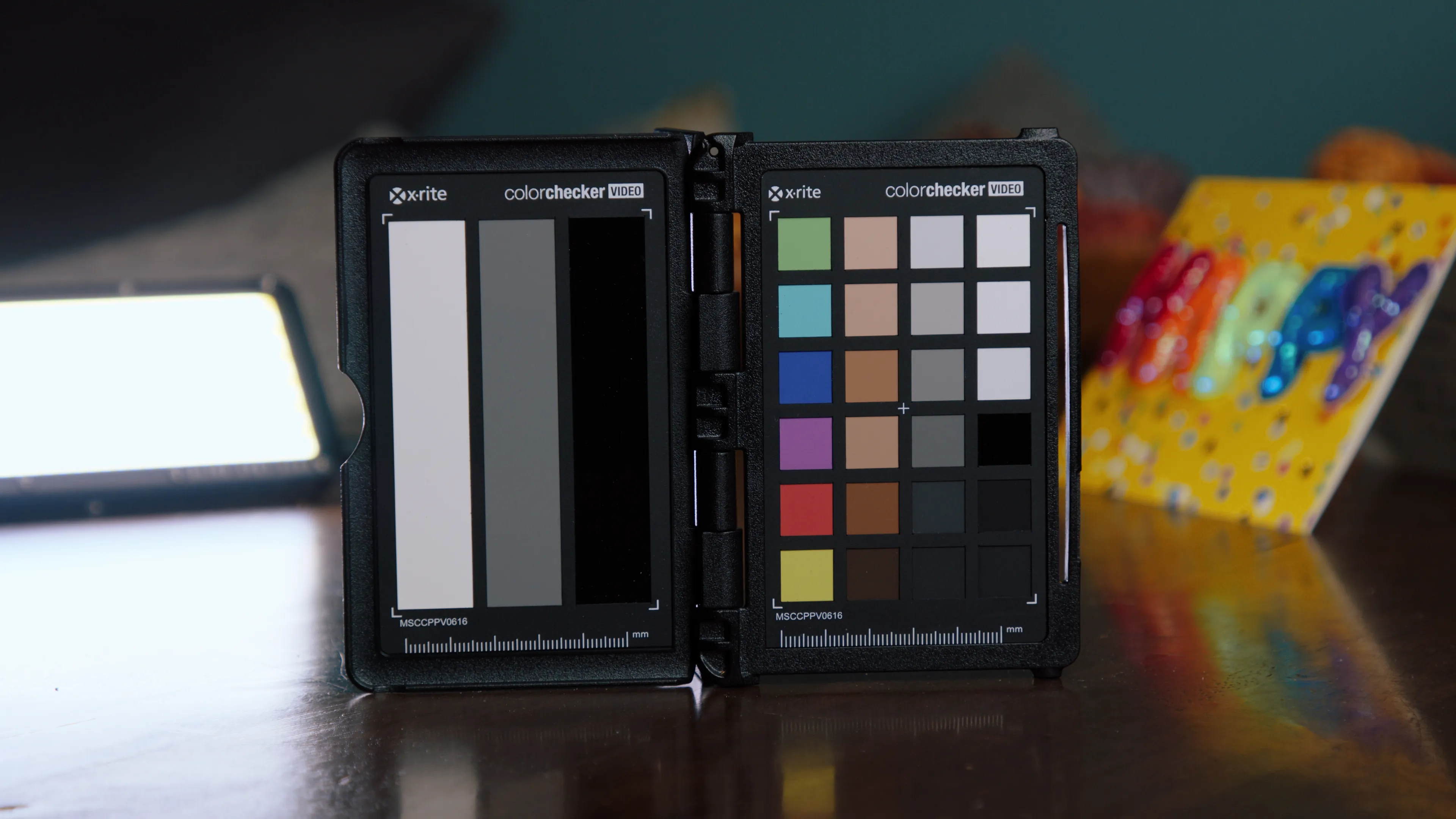
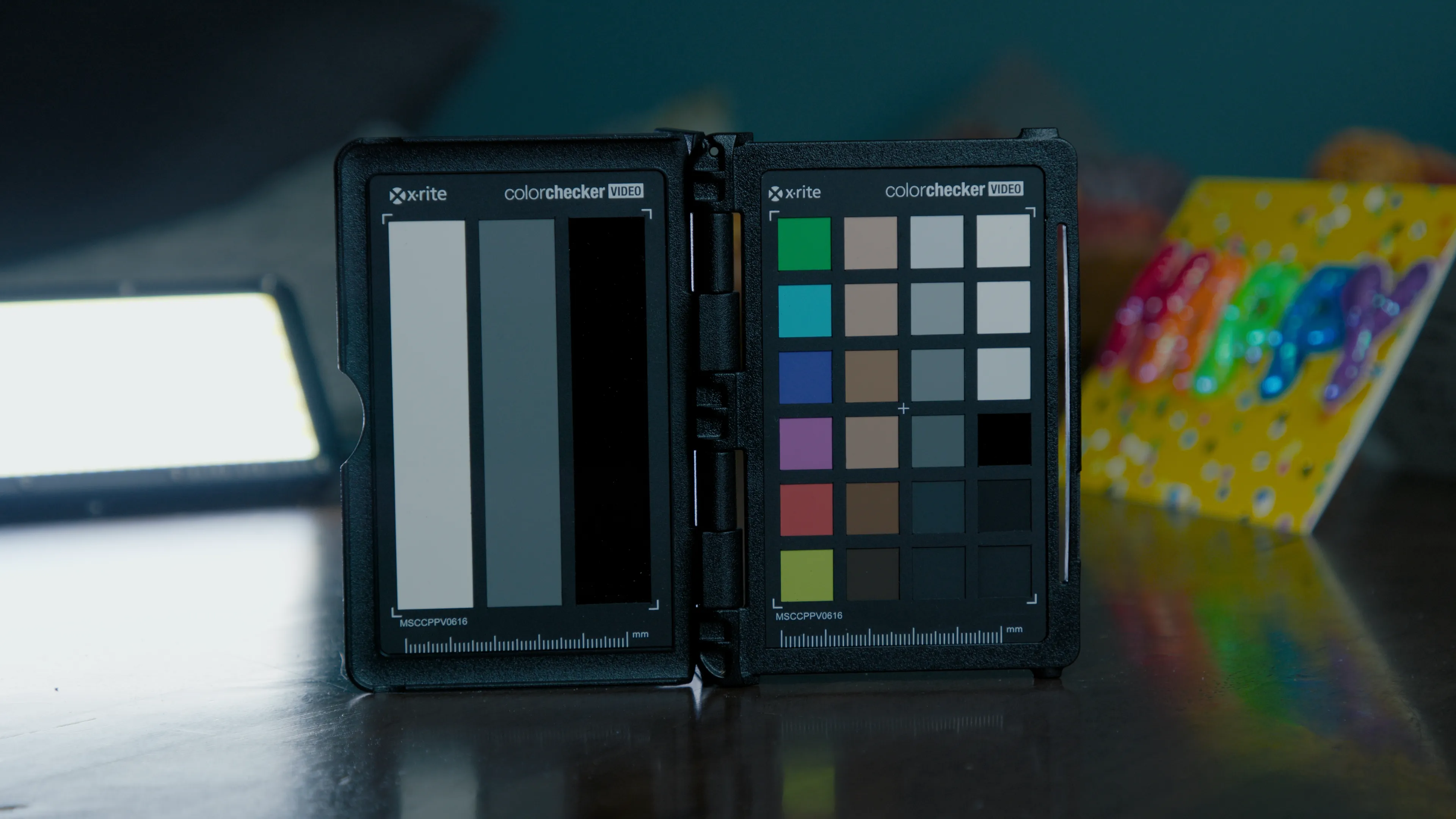
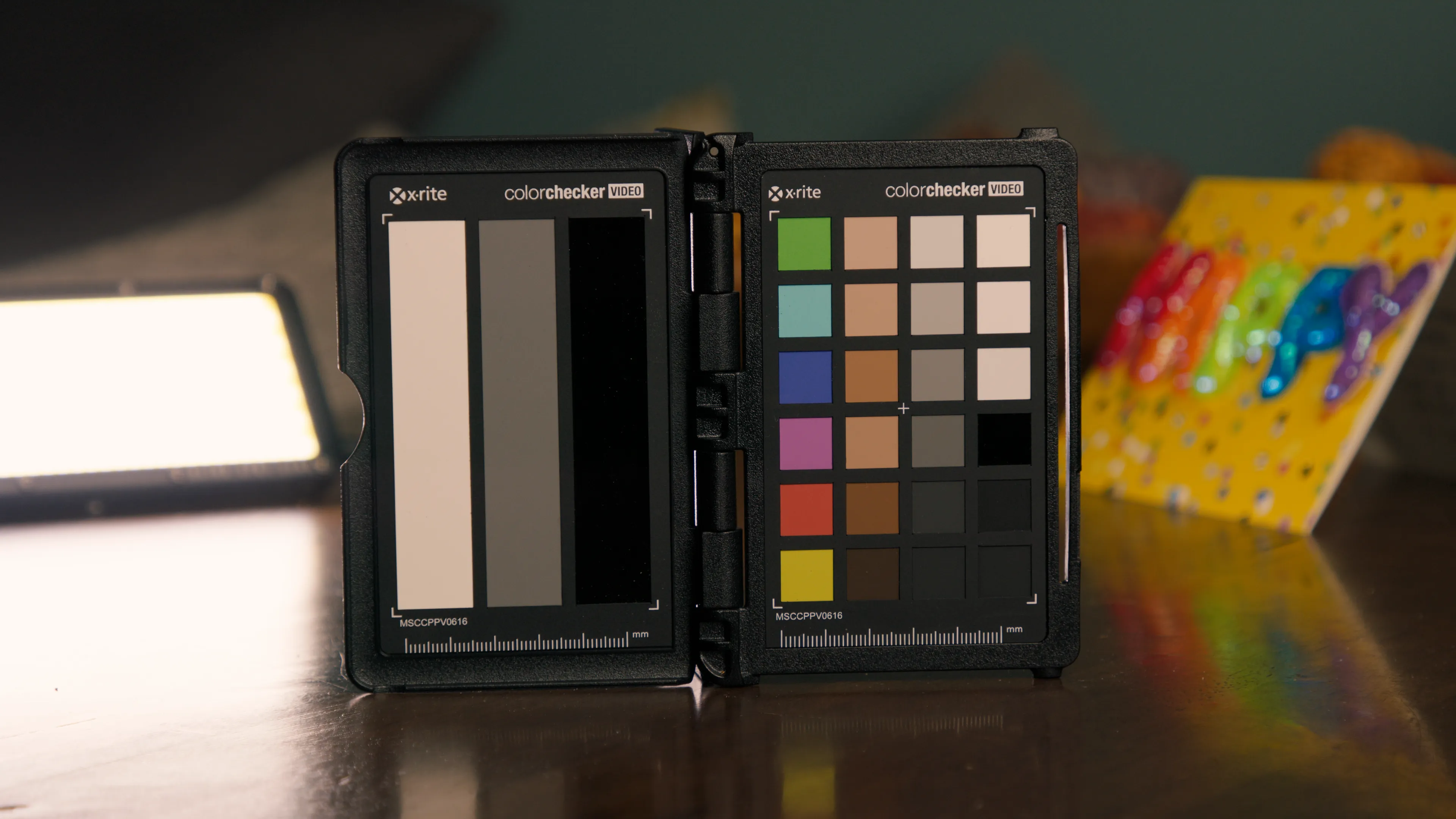
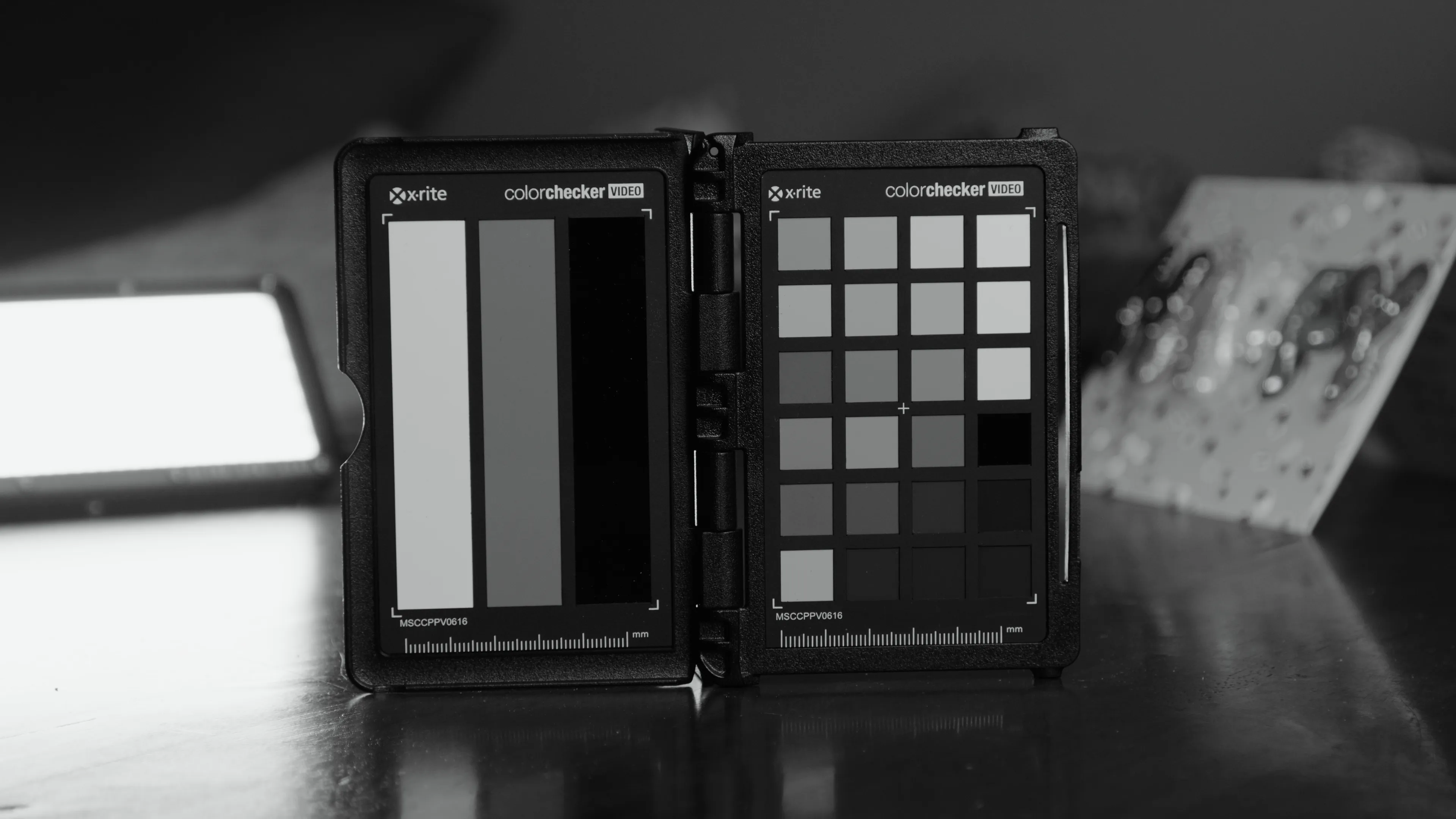
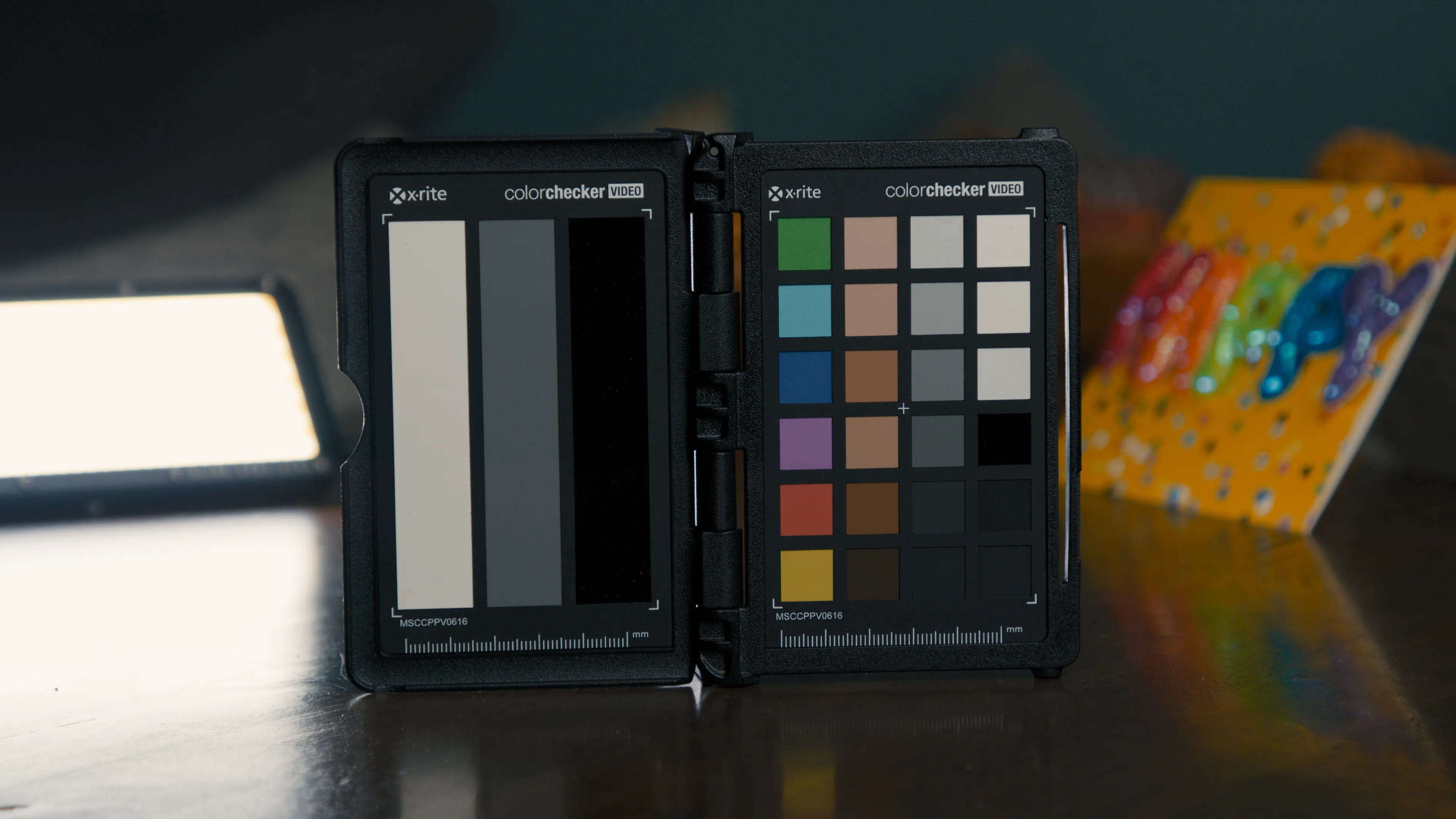
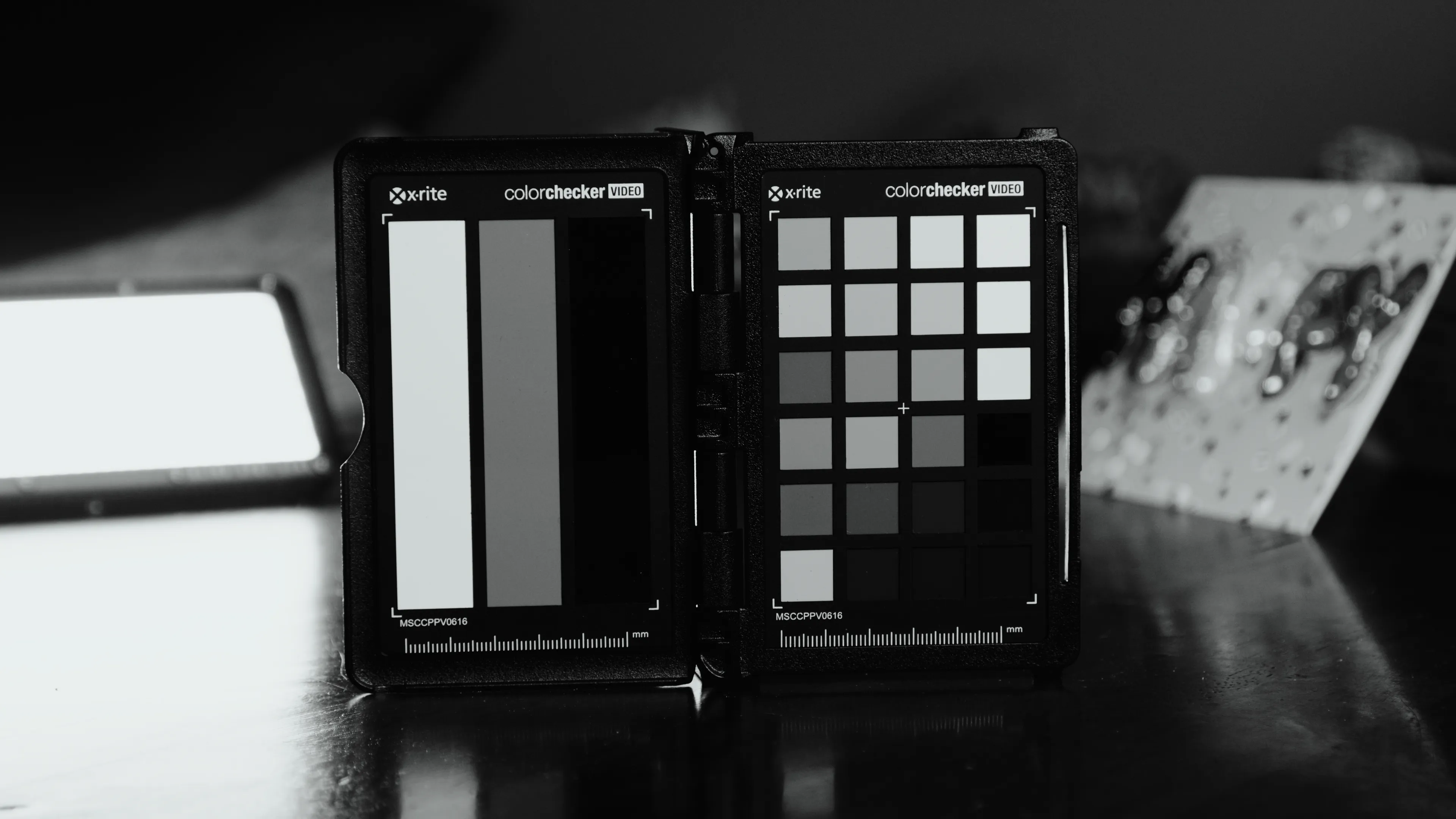
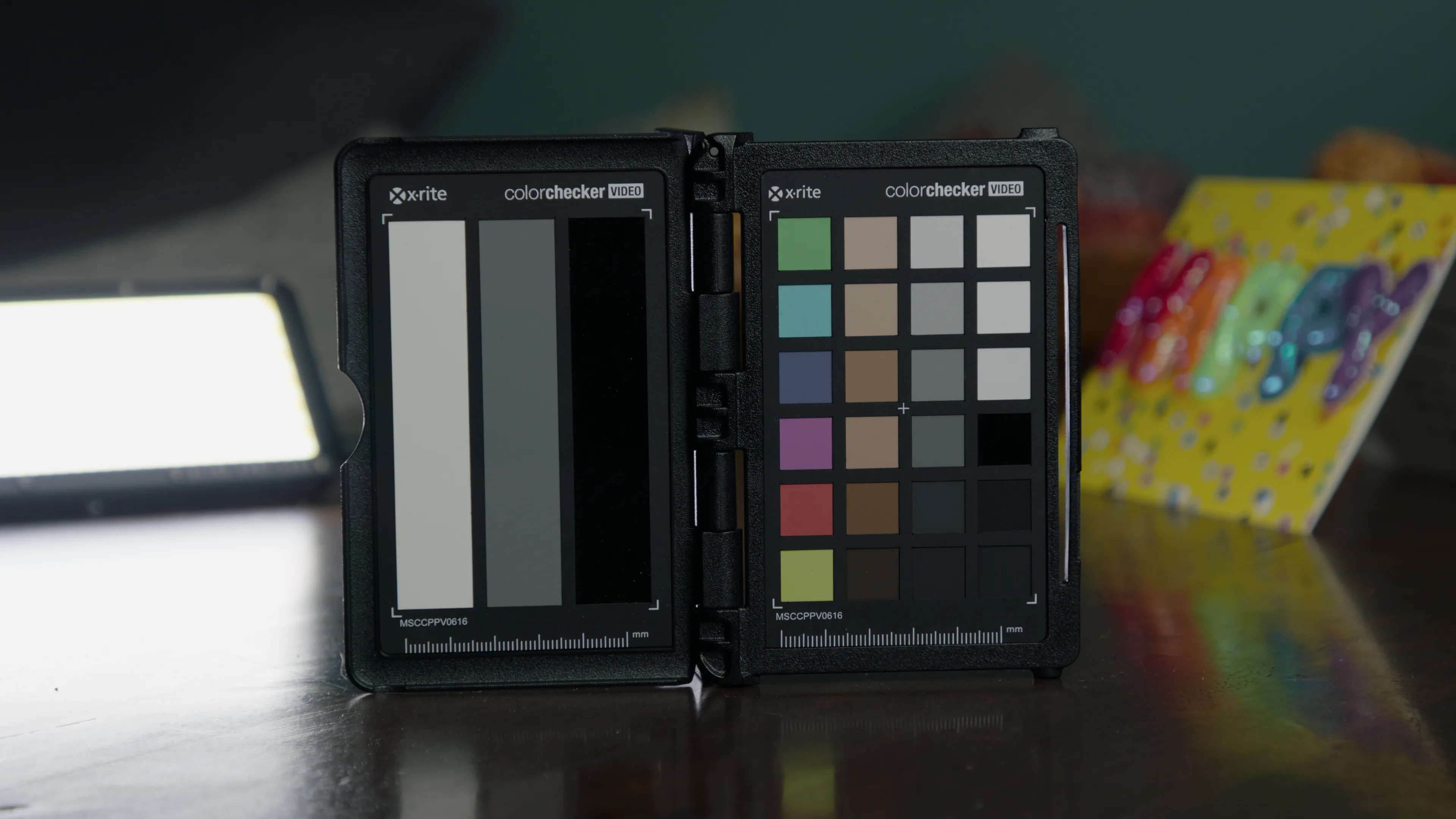
Use this nifty chart to help you decide which flavor of Arch Pro is right for you.
Not sure? Start with Plus — it’s what ~70% of customers choose!
These are just a handful of teams that rely on Arch Pro for their productions.






The top priority of this LUT is to make skin tones—of all shades—look remarkable.

Between shooting midday weddings & music festivals, I've mastered the art of the highlight roll off!

I always find myself tinting towards magenta in-camera, so I set out to fix the green channel!

Gives you a very robust starting point that holds up to heavy grading and effects.

Yanno how the Extended Video LUT just kinda looks like mud? Well, kiss that look goodbye!

Compatible with any application that supports LUTs on Windows, Mac, and iOS.

As new LUTs are developed for the set or Blackmagic Color Science evolves, you'll get updates for free!
In the 21st century, films like Bangalore Days (2014) and Take Off (2017) have updated this narrative. They explore the second-generation Gulf experience: the loneliness, the racist underbelly of the Gulf, and the strange belonging of being a Malayali in a foreign sandpit. The diaspora has also become a key financier and audience for the industry, creating a feedback loop where the cinema reflects the expatriate’s nostalgia, and the expatriate, in turn, funds the cinema. The last decade has seen what can only be described as a renaissance. The arrival of OTT platforms (Netflix, Amazon, Hotstar) broke the monopoly of the "star vehicle." Suddenly, a filmmaker could make a film for a laptop screen, not just for a rowdy, whistle-blowing first-day crowd.
Directors like J.C. Daniel, the father of Malayalam cinema, struggled to find a footing, but it was the post-independence era, particularly the 1950s and 60s, that solidified the bond between film and culture. The influence of the Communist Party (which won the world’s first democratically elected communist government in Kerala in 1957) cannot be overstated. The party’s cultural wing, Kerala People’s Arts Club (KPAC), produced plays and films that were unabashedly political. This leftist aesthetic taught Malayali filmmakers that cinema could be a tool for social engineering, not just escapism. The 1970s and 80s are often called the "Golden Age" of Malayalam cinema. This was the era of "Middle Cinema"—a perfect balance between artistic ambition and commercial viability. Filmmakers like Adoor Gopalakrishnan and G. Aravindan gained international acclaim (Cannes, Venice, Berlin), but more importantly, they changed how Malayalis viewed themselves.
In a world homogenized by global pop culture, Malayalam cinema stands as a defiantly regional voice that speaks to universal truths. It is proof that the smallest industries often have the loudest cultural voices. For the uninitiated, it is a window into "God’s Own Country." For the Malayali, it is a home they carry in their hearts, one frame at a time. Keywords: Malayalam cinema, Kerala culture, Mollywood, Indian parallel cinema, Gulf migration, The Great Indian Kitchen, Jallikattu, Onam Sadya, Adoor Gopalakrishnan, new wave Malayalam films. Mallu aunty navel kissed boobs pressed very hot
When a young Keralite in Dubai watches Maheshinte Prathikaaram , she is not just watching a comedy about a photographer who takes a revenge pledge; she is reconnecting with the specific cadence of Kottayam slang, the politics of the local tea shop, and the absurdity of "local" pride. When a grandmother in Thiruvananthapuram watches The Great Indian Kitchen , she sees a reflection of her own unseen labor.
In the landscape of Indian cinema, where Bollywood’s glitz and Tamil cinema’s mass heroism often dominate national discourse, Malayalam cinema occupies a unique, almost sacred space. It is often referred to by critics and fans as the most nuanced, realistic, and literate film industry in the country. But to understand Malayalam cinema, one must first understand Kerala—a state with near-universal literacy, a robust public healthcare system, a history of communist governance, and a society that proudly balances tradition with radical modernity. In the 21st century, films like Bangalore Days
Adoor’s Elippathayam (Rat-Trap, 1981) used the decaying feudal manor as a metaphor for the Keralite upper-caste’s inability to adapt to modernity. Aravindan’s Thambu (The Circus Tent, 1978) explored the vanishing nomadic tribes of Kerala. Meanwhile, commercial directors like Padmarajan and Bharathan infused popular cinema with literary depth.
Malayalam cinema is not merely a product of Kerala’s culture; it is its mirror, its critic, and occasionally, its prophet. From the satirical takedowns of caste hypocrisy in the 1970s to the gut-wrenching portrayals of Gulf migration in the 2010s, the industry has functioned as a living archive of the Malayali identity. The birth of Malayalam cinema in the 1920s and 1930s was intrinsically tied to the renaissance of Malayalam literature and the socio-political reform movements in the princely state of Travancore and the Malabar region. Unlike other film industries that evolved from Parsi theatre or commercial entertainment, early Malayalam cinema drew heavily from the Sangha (cultural forums) and the vibrant tradition of Kathaprasangam (storytelling with music). The last decade has seen what can only
This era also saw the rise of screenwriters like M.T. Vasudevan Nair and John Paul, who brought the cadence of true Malayali speech—the subtle wit, the sarcasm, the melancholy—to the big screen. Suddenly, characters on screen did not speak in heroic bombast; they spoke like neighbors, uncles, and teachers. This linguistic authenticity became the bedrock of Malayali cultural representation. To watch a Malayalam film is to take a masterclass in Keralite culture. Three themes recur with remarkable consistency: 1. The Family (Kudumbam) and the Matrilineal Hangover Kerala's unique history of Marumakkathayam (matrilineal system) among certain communities has left a deep imprint. Malayalam cinema constantly returns to the tension between the mother’s house ( tharavad ) and modernity. Films like Kireedam (1989) are not just about a son failing his father; they are about the crushing weight of honor in a matrilineal society where male identity is tied to protecting the women of the house. Recent films like Kumbalangi Nights (2019) deconstruct toxic masculinity within the family unit, questioning what it means to be a "man" in modern Kerala. 2. Food (Sadya and the Monsoon Feast) If you want a cultural document of Keralite cuisine, do not turn to a cookbook; turn to the films of Satyan Anthikad. The Onam Sadya (feast) has been filmed so lovingly in movies like Azhakiya Ravanan and Nadodikattu that it has become a cinematic trope. Food in Malayalam cinema represents love, labor, and loss. The act of eating a meal of kappa (tapioca) and meen curry (fish curry) is often a ritual of bonding. Conversely, the absence of food—or the struggle for a single meal—is a recurring motif in the immigrant narratives of the Gulf era, symbolizing the economic desperation that drove millions of Malayalis to the Middle East. 3. Faith (The Temple and the Mosque) Kerala is a religious mosaic, and Malayalam cinema is one of the few Indian industries that represents both Hindu and Muslim cultures with equal granularity. The temple festivals, poorams , and theyyam performances have been captured as spectacular visual poetry (e.g., Ore Kadal ). Simultaneously, the Mappila (Muslim) culture of northern Kerala—with its unique Mappilapattu and art forms—has found poignant expression in films like Maheshinte Prathikaaram (2016) and Sudani from Nigeria (2018), which normalize cross-cultural friendships and challenge stereotypes of minority communities. The Gulf Dream and the Diaspora Perhaps no other culture in the world has been as dramatically shaped by labor migration as Kerala. The "Gulf Dream" began in the 1970s oil boom, and Malayalam cinema became its chief chronicler. The 1989 classic Peruvannapurathe Visheshangal captured the absurdity of the "Gulf returnee"—a man who returns with gold, electronics, and an inflated ego, only to find he no longer fits into his village.
In the 21st century, films like Bangalore Days (2014) and Take Off (2017) have updated this narrative. They explore the second-generation Gulf experience: the loneliness, the racist underbelly of the Gulf, and the strange belonging of being a Malayali in a foreign sandpit. The diaspora has also become a key financier and audience for the industry, creating a feedback loop where the cinema reflects the expatriate’s nostalgia, and the expatriate, in turn, funds the cinema. The last decade has seen what can only be described as a renaissance. The arrival of OTT platforms (Netflix, Amazon, Hotstar) broke the monopoly of the "star vehicle." Suddenly, a filmmaker could make a film for a laptop screen, not just for a rowdy, whistle-blowing first-day crowd.
Directors like J.C. Daniel, the father of Malayalam cinema, struggled to find a footing, but it was the post-independence era, particularly the 1950s and 60s, that solidified the bond between film and culture. The influence of the Communist Party (which won the world’s first democratically elected communist government in Kerala in 1957) cannot be overstated. The party’s cultural wing, Kerala People’s Arts Club (KPAC), produced plays and films that were unabashedly political. This leftist aesthetic taught Malayali filmmakers that cinema could be a tool for social engineering, not just escapism. The 1970s and 80s are often called the "Golden Age" of Malayalam cinema. This was the era of "Middle Cinema"—a perfect balance between artistic ambition and commercial viability. Filmmakers like Adoor Gopalakrishnan and G. Aravindan gained international acclaim (Cannes, Venice, Berlin), but more importantly, they changed how Malayalis viewed themselves.
In a world homogenized by global pop culture, Malayalam cinema stands as a defiantly regional voice that speaks to universal truths. It is proof that the smallest industries often have the loudest cultural voices. For the uninitiated, it is a window into "God’s Own Country." For the Malayali, it is a home they carry in their hearts, one frame at a time. Keywords: Malayalam cinema, Kerala culture, Mollywood, Indian parallel cinema, Gulf migration, The Great Indian Kitchen, Jallikattu, Onam Sadya, Adoor Gopalakrishnan, new wave Malayalam films.
When a young Keralite in Dubai watches Maheshinte Prathikaaram , she is not just watching a comedy about a photographer who takes a revenge pledge; she is reconnecting with the specific cadence of Kottayam slang, the politics of the local tea shop, and the absurdity of "local" pride. When a grandmother in Thiruvananthapuram watches The Great Indian Kitchen , she sees a reflection of her own unseen labor.
In the landscape of Indian cinema, where Bollywood’s glitz and Tamil cinema’s mass heroism often dominate national discourse, Malayalam cinema occupies a unique, almost sacred space. It is often referred to by critics and fans as the most nuanced, realistic, and literate film industry in the country. But to understand Malayalam cinema, one must first understand Kerala—a state with near-universal literacy, a robust public healthcare system, a history of communist governance, and a society that proudly balances tradition with radical modernity.
Adoor’s Elippathayam (Rat-Trap, 1981) used the decaying feudal manor as a metaphor for the Keralite upper-caste’s inability to adapt to modernity. Aravindan’s Thambu (The Circus Tent, 1978) explored the vanishing nomadic tribes of Kerala. Meanwhile, commercial directors like Padmarajan and Bharathan infused popular cinema with literary depth.
Malayalam cinema is not merely a product of Kerala’s culture; it is its mirror, its critic, and occasionally, its prophet. From the satirical takedowns of caste hypocrisy in the 1970s to the gut-wrenching portrayals of Gulf migration in the 2010s, the industry has functioned as a living archive of the Malayali identity. The birth of Malayalam cinema in the 1920s and 1930s was intrinsically tied to the renaissance of Malayalam literature and the socio-political reform movements in the princely state of Travancore and the Malabar region. Unlike other film industries that evolved from Parsi theatre or commercial entertainment, early Malayalam cinema drew heavily from the Sangha (cultural forums) and the vibrant tradition of Kathaprasangam (storytelling with music).
This era also saw the rise of screenwriters like M.T. Vasudevan Nair and John Paul, who brought the cadence of true Malayali speech—the subtle wit, the sarcasm, the melancholy—to the big screen. Suddenly, characters on screen did not speak in heroic bombast; they spoke like neighbors, uncles, and teachers. This linguistic authenticity became the bedrock of Malayali cultural representation. To watch a Malayalam film is to take a masterclass in Keralite culture. Three themes recur with remarkable consistency: 1. The Family (Kudumbam) and the Matrilineal Hangover Kerala's unique history of Marumakkathayam (matrilineal system) among certain communities has left a deep imprint. Malayalam cinema constantly returns to the tension between the mother’s house ( tharavad ) and modernity. Films like Kireedam (1989) are not just about a son failing his father; they are about the crushing weight of honor in a matrilineal society where male identity is tied to protecting the women of the house. Recent films like Kumbalangi Nights (2019) deconstruct toxic masculinity within the family unit, questioning what it means to be a "man" in modern Kerala. 2. Food (Sadya and the Monsoon Feast) If you want a cultural document of Keralite cuisine, do not turn to a cookbook; turn to the films of Satyan Anthikad. The Onam Sadya (feast) has been filmed so lovingly in movies like Azhakiya Ravanan and Nadodikattu that it has become a cinematic trope. Food in Malayalam cinema represents love, labor, and loss. The act of eating a meal of kappa (tapioca) and meen curry (fish curry) is often a ritual of bonding. Conversely, the absence of food—or the struggle for a single meal—is a recurring motif in the immigrant narratives of the Gulf era, symbolizing the economic desperation that drove millions of Malayalis to the Middle East. 3. Faith (The Temple and the Mosque) Kerala is a religious mosaic, and Malayalam cinema is one of the few Indian industries that represents both Hindu and Muslim cultures with equal granularity. The temple festivals, poorams , and theyyam performances have been captured as spectacular visual poetry (e.g., Ore Kadal ). Simultaneously, the Mappila (Muslim) culture of northern Kerala—with its unique Mappilapattu and art forms—has found poignant expression in films like Maheshinte Prathikaaram (2016) and Sudani from Nigeria (2018), which normalize cross-cultural friendships and challenge stereotypes of minority communities. The Gulf Dream and the Diaspora Perhaps no other culture in the world has been as dramatically shaped by labor migration as Kerala. The "Gulf Dream" began in the 1970s oil boom, and Malayalam cinema became its chief chronicler. The 1989 classic Peruvannapurathe Visheshangal captured the absurdity of the "Gulf returnee"—a man who returns with gold, electronics, and an inflated ego, only to find he no longer fits into his village.