Close this alert
Martyr Or The Death Of Saint Eulalia 2005 Instant
We see Eulalia as a precocious, stubborn girl educated by her elderly servant, a secret Christian. Her father, a Roman magistrate, represents the old world of order and pagan duty. The tension is domestic: a father who wants to protect his daughter by keeping her silent versus a girl who believes silence is a betrayal of the ultimate truth.
When Dacian (played with chilling bureaucracy by veteran actor Javier Cámara) demands all citizens of Emerita Augusta make a sacrifice to Jupiter, Eulalia marches to the forum. The film’s centerpiece is a ten-minute monologue where the twelve-year-old argues theology with the Roman judge. Critically, the script does not make Eulalia superhuman. She stutters. Her voice breaks. But her conviction remains absolute.
She proclaimed her faith publicly, trampled on pagan offerings, and refused to sacrifice to the Roman gods. Her punishment was horrific: she was tortured with hooks, her flesh was torn, and she was eventually burned at the stake. Legend holds that as she died, a dove flew from her mouth, and a miraculous snow covered her nakedness to protect her modesty. Released in the fall of 2005, Martyr or the Death of Saint Eulalia (original Spanish title: Mártir o la muerte de Santa Eulalia ) strips away the safe, stained-glass window version of the story. The film opens not with a saint, but with a child—Lucía Jiménez delivers a haunting performance as Eulalia—playing among olive groves before the storm of persecution arrives. martyr or the death of saint eulalia 2005
The narrative is divided into three distinct acts:
The film won the Goya Award for Best Makeup and Hairstyling (for the prosthetics depicting burned flesh) and was nominated for Best Adapted Screenplay. For those researching this specific keyword, the year 2005 is crucial. Several other films about Saint Eulalia exist, including a 1924 silent film and a 1987 animated short. However, the 2005 version is the only one that treats the martyrdom as a psychological horror-drama. We see Eulalia as a precocious, stubborn girl
By refusing to look away from the hooks, the flames, and the tears, director Miguel Ángel Rivas forces the viewer to confront the raw, ugly, and terrifyingly beautiful reality of early Christian martyrdom. Whether you view Eulalia as a deluded child, a political revolutionary, or a true saint of God, the film ensures you will never forget her name.
In the vast landscape of religious and historical cinema, few films have managed to balance the brutality of Roman persecution with the ethereal grace of early Christian theology as effectively as the 2005 Spanish historical drama Martyr or the Death of Saint Eulalia . Directed by emerging auteur Miguel Ángel Rivas, this film is not merely a biopic; it is a visceral, poetic, and deeply unsettling exploration of faith, adolescence, and political resistance in Roman Spain. When Dacian (played with chilling bureaucracy by veteran
For those searching for the keyword , this article will dissect the film’s historical context, its cinematic techniques, the controversial depiction of violence, and its lasting legacy in both religious and secular film criticism. The Historical Eulalia: Who Was She? Before diving into the 2005 adaptation, one must understand the raw material. Saint Eulalia of Mérida (circa 290–304 AD) was a young Christian virgin who, at the age of 12 or 13, openly defied the Roman Emperor Diocletian’s edicts against Christianity. According to the Peristephanon by Prudentius, Eulalia ran away from her rural home to the city of Emerita Augusta (modern-day Mérida) to confront the judge Dacian.
Other Books in Series
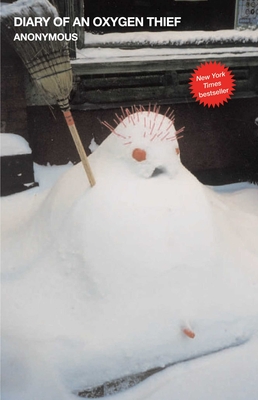
Diary of an Oxygen Thief (The Oxygen Thief Diaries #1)
Paperback
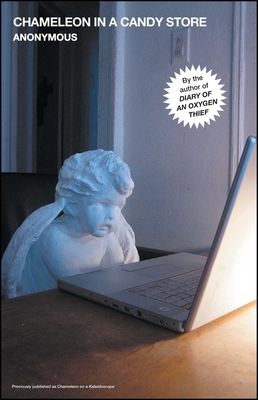
Chameleon in a Candy Store (The Oxygen Thief Diaries #2)
Paperback