. .

For decades, the LGBTQ+ rights movement has been symbolized by the rainbow flag—a banner of diversity, unity, and pride. Yet, within that vibrant spectrum of colors lies a specific set of stripes representing a community whose struggles and triumphs have often been misunderstood, even by those marching beside them. The relationship between the transgender community and the broader LGBTQ+ culture is one of deep interdependence, historical alliance, and—at times—necessary tension.

To be truly "LGBTQ+" is to understand that sexual orientation and gender identity are different axes of human experience, yet they are bound by a common truth: the right to live authentically in a world that demands conformity. When the trans community is safe, celebrated, and fully included, the entire rainbow shines brighter. When the "T" is silenced, the queer movement loses its heart.

As we move forward, the question for LGBTQ+ culture is no longer "What do we do about the trans community?" but rather "How do we follow where they lead?" The answer will define the next 50 years of the fight for queer liberation.

To understand modern queer culture, one cannot simply glance at the rainbow; one must look directly at the experiences of transgender, non-binary, and gender-nonconforming individuals. This article explores the historical roots, cultural contributions, unique challenges, and evolving dynamics that define the place of trans people within the larger family of LGBTQ+ identities. The alliance between trans individuals and the broader gay and lesbian community is not a modern political invention; it is born from shared battlegrounds. Before the acronym "LGBTQ+" existed, there were simply "deviants" in the eyes of the law. In the 1950s and 60s, police raids targeted gay bars as well as drag venues—spaces where gender expression was fluid. The Stonewall Nexus The most famous origin story of the modern LGBTQ+ rights movement—the Stonewall Riots of 1969—was led largely by trans women of color. Figures like Marsha P. Johnson (a self-identified drag queen and trans activist) and Sylvia Rivera (a Latina trans woman) were at the frontlines, throwing bricks and resisting police brutality. Rivera, in particular, fought tirelessly for the inclusion of "street queens" and homeless trans youth into the mainstream gay rights agenda.

PROJECT - CONFIGURATION

Type Carpet Area sqft Price
2BHK
3 BHK
4BHK

PREMIUM AMENITIES

Grand entrance lobby

Well Crafted Rooms

AC in the Living Room & The Bedroom

Branded Modular Kitchen

Sundeck

HEALTHY AMENITIES

Fully-Equipped Gym

Roof-top Jogging Track

Lush Landscaped Garden

Yoga Deck

4 Elevators per Floor

Roof-top Swimming Pool

Productive Co-working Space

VIDEO

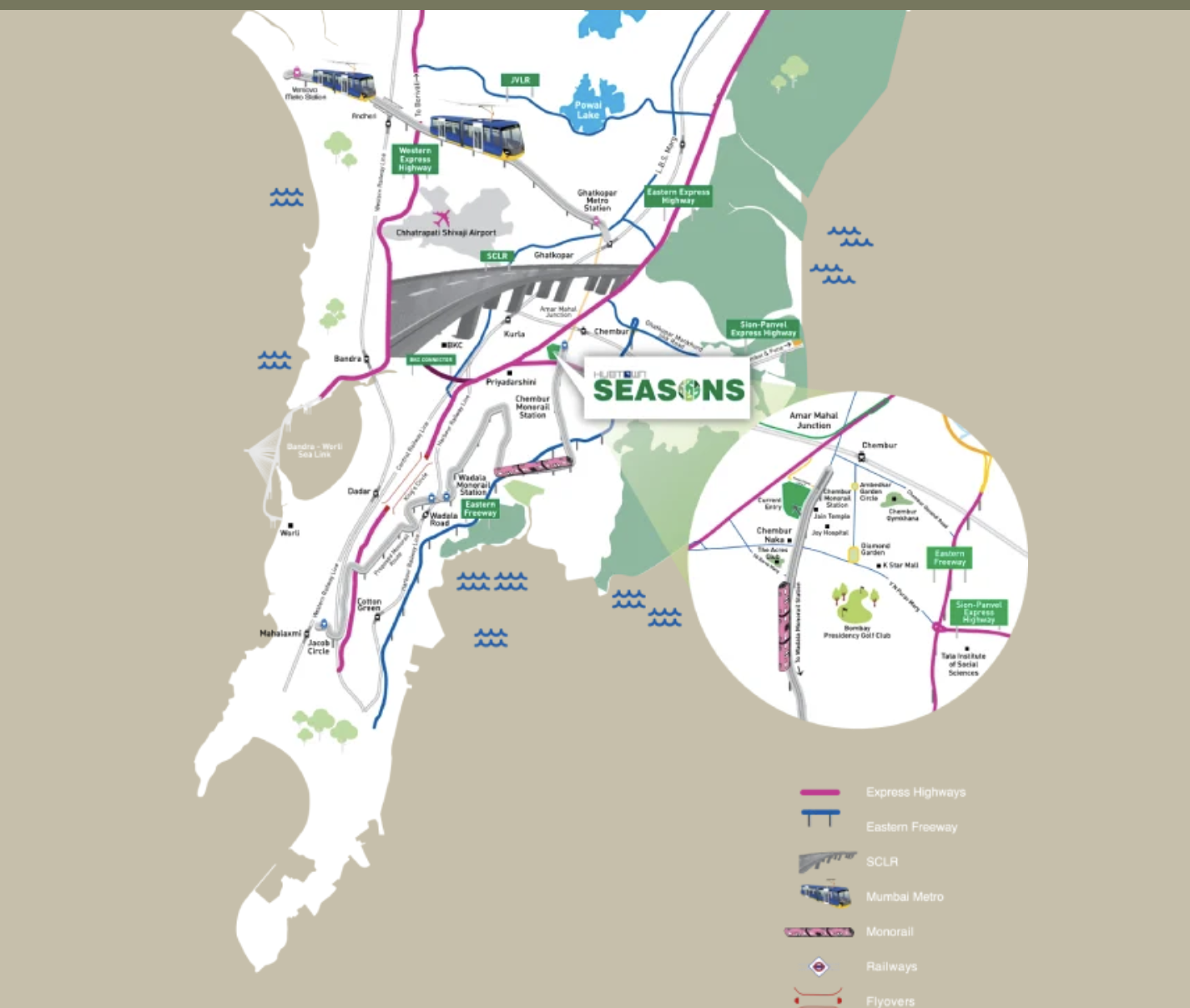
LOCATION & CONNECTIVITY

It has superb doorstep connectivity through the Eastern Express Highway, the SCLR, the metro station at Ghatkopar, the Eastern Freeway to South Bombay, and the Monorail, which till Jacob Circle.

15 Minutesto BKC via BKC Connector

30 Minutesto Andheri via Mumbai Metro

30 Minutesto International Airport via Mumbai Metro

25 Minutesto Domestic Airport via SCLR

25 Minutesto Worli via Sea Link

30 Minutesto Mahalaxmi Racecourse via Monorail

35 Minutesto Thane via Eastern Express Highway

25 Minutesto Vashi via Sion Panvel Highway

About Hubtown

Revered as one of the most reliable real estate developers in India, Hubtown was conceived in 1985 with the intent of dramatically transforming the real estate landscape of the country, introducing world-class residential and commercial spaces and making the premium lifestyle accessible to all. In the last four decades, we have successfully delivered over 14 million sq.ft. of prime real estate with 45 million sq. ft. under development across multi-asset classes. Our portfolio spans across high-end residential developments, built-to-suit office spaces and IT Parks. Trusted by generations of property owners, Hubtown has over the years created its own niche and has become a formidable force in the country's growing real estate market. Known for our timely deliveries, customer relations and modern infrastructure, we, at Hubtown, pride ourselves in understanding the needs of the market and catering to it in our own trademark style!

COVID-19

HASSLE FREE AND SAFE EXPERIENCE FOR OUR CUSTOMERS ACROSS OUR SALES OFFICES.

    • Mandatory thermal screening at the sales office entrance.
    • We regularly do sanitization and disinfection of the site offices.
    • Site offices are well equipped with hand sanitizers.
    • All our office staff and customers are instructed to wear mask to ensure safety at the site.

Shemale Video Nylon May 2026

For decades, the LGBTQ+ rights movement has been symbolized by the rainbow flag—a banner of diversity, unity, and pride. Yet, within that vibrant spectrum of colors lies a specific set of stripes representing a community whose struggles and triumphs have often been misunderstood, even by those marching beside them. The relationship between the transgender community and the broader LGBTQ+ culture is one of deep interdependence, historical alliance, and—at times—necessary tension.

To be truly "LGBTQ+" is to understand that sexual orientation and gender identity are different axes of human experience, yet they are bound by a common truth: the right to live authentically in a world that demands conformity. When the trans community is safe, celebrated, and fully included, the entire rainbow shines brighter. When the "T" is silenced, the queer movement loses its heart.

As we move forward, the question for LGBTQ+ culture is no longer "What do we do about the trans community?" but rather "How do we follow where they lead?" The answer will define the next 50 years of the fight for queer liberation.

To understand modern queer culture, one cannot simply glance at the rainbow; one must look directly at the experiences of transgender, non-binary, and gender-nonconforming individuals. This article explores the historical roots, cultural contributions, unique challenges, and evolving dynamics that define the place of trans people within the larger family of LGBTQ+ identities. The alliance between trans individuals and the broader gay and lesbian community is not a modern political invention; it is born from shared battlegrounds. Before the acronym "LGBTQ+" existed, there were simply "deviants" in the eyes of the law. In the 1950s and 60s, police raids targeted gay bars as well as drag venues—spaces where gender expression was fluid. The Stonewall Nexus The most famous origin story of the modern LGBTQ+ rights movement—the Stonewall Riots of 1969—was led largely by trans women of color. Figures like Marsha P. Johnson (a self-identified drag queen and trans activist) and Sylvia Rivera (a Latina trans woman) were at the frontlines, throwing bricks and resisting police brutality. Rivera, in particular, fought tirelessly for the inclusion of "street queens" and homeless trans youth into the mainstream gay rights agenda.

shemale video nylon