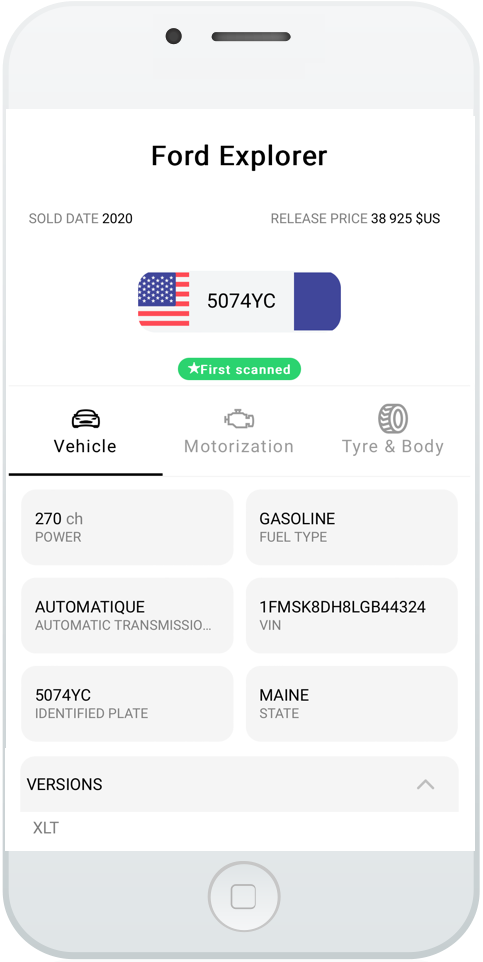
Bolid Application
Sone436hikarunagi241107xxx1080pav1160+best+fixed -
Consequently, has become a primary vector for misinformation. News is packaged as entertainment; entertainment is swallowed as news. The line between John Oliver’s comedy show and a nightly news broadcast is increasingly blurred. This "infotainment" model, while engaging, lowers media literacy. Studies show that viewers who rely on satirical news programs often have factual recall but lack contextual depth.
In the 21st century, few forces are as pervasive or as powerful as entertainment content and popular media . From the moment we wake up to the chime of a notification to the late-night scrolling through a streaming service, we are immersed in a world built by stories, celebrities, viral moments, and digital narratives. But what exactly is the current state of this industry? More importantly, how does this constant stream of content influence our behavior, politics, and identity?
This article explores the vast landscape of , tracing its evolution, dissecting its business models, and analyzing its profound psychological impact on the global audience. Part 1: The Historical Shift – From Mass Broadcasting to Niche Streaming To understand where we are, we must look at where we came from. For most of the 20th century, popular media was a monologue. Three major television networks, a handful of radio stations, and a few major film studios dictated what the public consumed. Entertainment content was linear, scheduled, and standardized. Everyone watched the same episode of M A S H* or Seinfeld on the same night, creating a "watercooler effect" of shared national experience.
After all, in a world drowning in , the most radical act may be to simply look up and experience the unmediated world. Keywords used: entertainment content, popular media, streaming, creator economy, algorithms, psychology of media, misinformation, generative AI, metaverse.
The turning point arrived with the digital revolution. The internet dismantled the gatekeepers. Suddenly, the definition of expanded beyond movies and TV shows to include YouTube vlogs, TikTok dances, podcasts, and interactive Twitch streams. Popular media ceased to be a product delivered to the masses and became a conversation among the masses.
The future promises even more immersion, personalization, and spectacle. But amidst the infinite scroll, the algorithm's whisper, and the creator's hustle, one fact remains: is a mirror. It reflects our desires, our fears, and our collective imagination. If we want better entertainment, we must demand better ethics, better representation, and better boundaries.
Consequently, has become a primary vector for misinformation. News is packaged as entertainment; entertainment is swallowed as news. The line between John Oliver’s comedy show and a nightly news broadcast is increasingly blurred. This "infotainment" model, while engaging, lowers media literacy. Studies show that viewers who rely on satirical news programs often have factual recall but lack contextual depth.
In the 21st century, few forces are as pervasive or as powerful as entertainment content and popular media . From the moment we wake up to the chime of a notification to the late-night scrolling through a streaming service, we are immersed in a world built by stories, celebrities, viral moments, and digital narratives. But what exactly is the current state of this industry? More importantly, how does this constant stream of content influence our behavior, politics, and identity? sone436hikarunagi241107xxx1080pav1160+best+fixed
This article explores the vast landscape of , tracing its evolution, dissecting its business models, and analyzing its profound psychological impact on the global audience. Part 1: The Historical Shift – From Mass Broadcasting to Niche Streaming To understand where we are, we must look at where we came from. For most of the 20th century, popular media was a monologue. Three major television networks, a handful of radio stations, and a few major film studios dictated what the public consumed. Entertainment content was linear, scheduled, and standardized. Everyone watched the same episode of M A S H* or Seinfeld on the same night, creating a "watercooler effect" of shared national experience. Consequently, has become a primary vector for misinformation
After all, in a world drowning in , the most radical act may be to simply look up and experience the unmediated world. Keywords used: entertainment content, popular media, streaming, creator economy, algorithms, psychology of media, misinformation, generative AI, metaverse. From the moment we wake up to the
The turning point arrived with the digital revolution. The internet dismantled the gatekeepers. Suddenly, the definition of expanded beyond movies and TV shows to include YouTube vlogs, TikTok dances, podcasts, and interactive Twitch streams. Popular media ceased to be a product delivered to the masses and became a conversation among the masses.
The future promises even more immersion, personalization, and spectacle. But amidst the infinite scroll, the algorithm's whisper, and the creator's hustle, one fact remains: is a mirror. It reflects our desires, our fears, and our collective imagination. If we want better entertainment, we must demand better ethics, better representation, and better boundaries.
100% free automobile application